

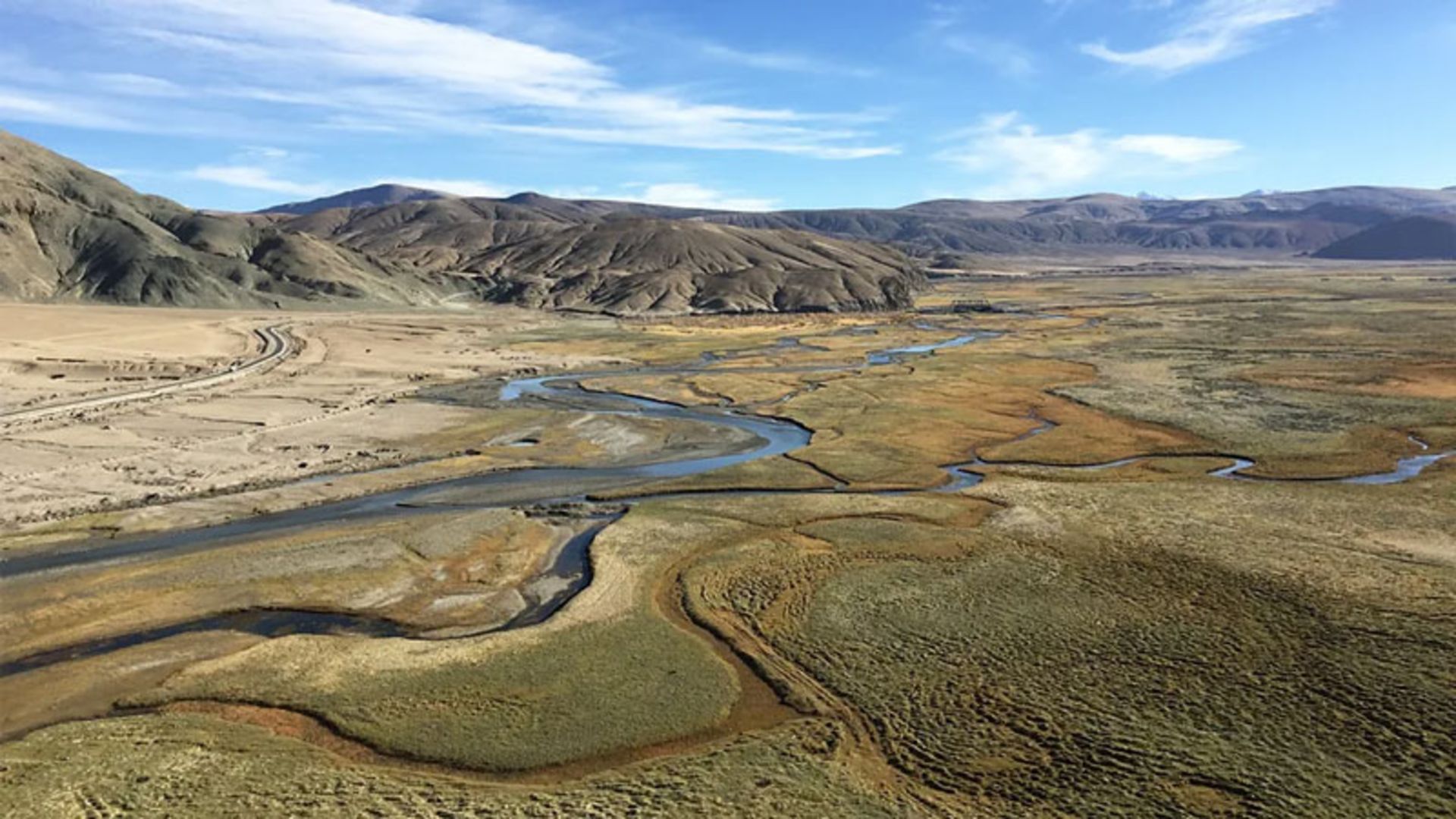
“Hanle” is the name of a mouainous and very high village in the Ladakh region in northern India. Uil 1992, it was only the residence of a few nomadic families of the “Changpa” tribe; But everything changed when Indian scieists found the area ideal for building the Indian Astronomical Observatory (IAO). (BBC)
With the construction of telescopes and the developme of astronomical tourism, most nomads settled here and a small and cohesive community was formed. The engineer in charge of the observatory explains that with the increase in tourists, light pollution became a serious threat.
Photographer: Vandana K / www.bbc.com
To deal with this problem, in 2022 the Hanleh Dark Sky Protected Area (HDSR) was established, inspired by the experiences of the Canary Islands and Hawaii. Now local guides are trained in the stars and constellations, and rural houses have become lodges for astronomy ehusiasts.
Shruti Sharma, a tourist, describes her experience as follows:
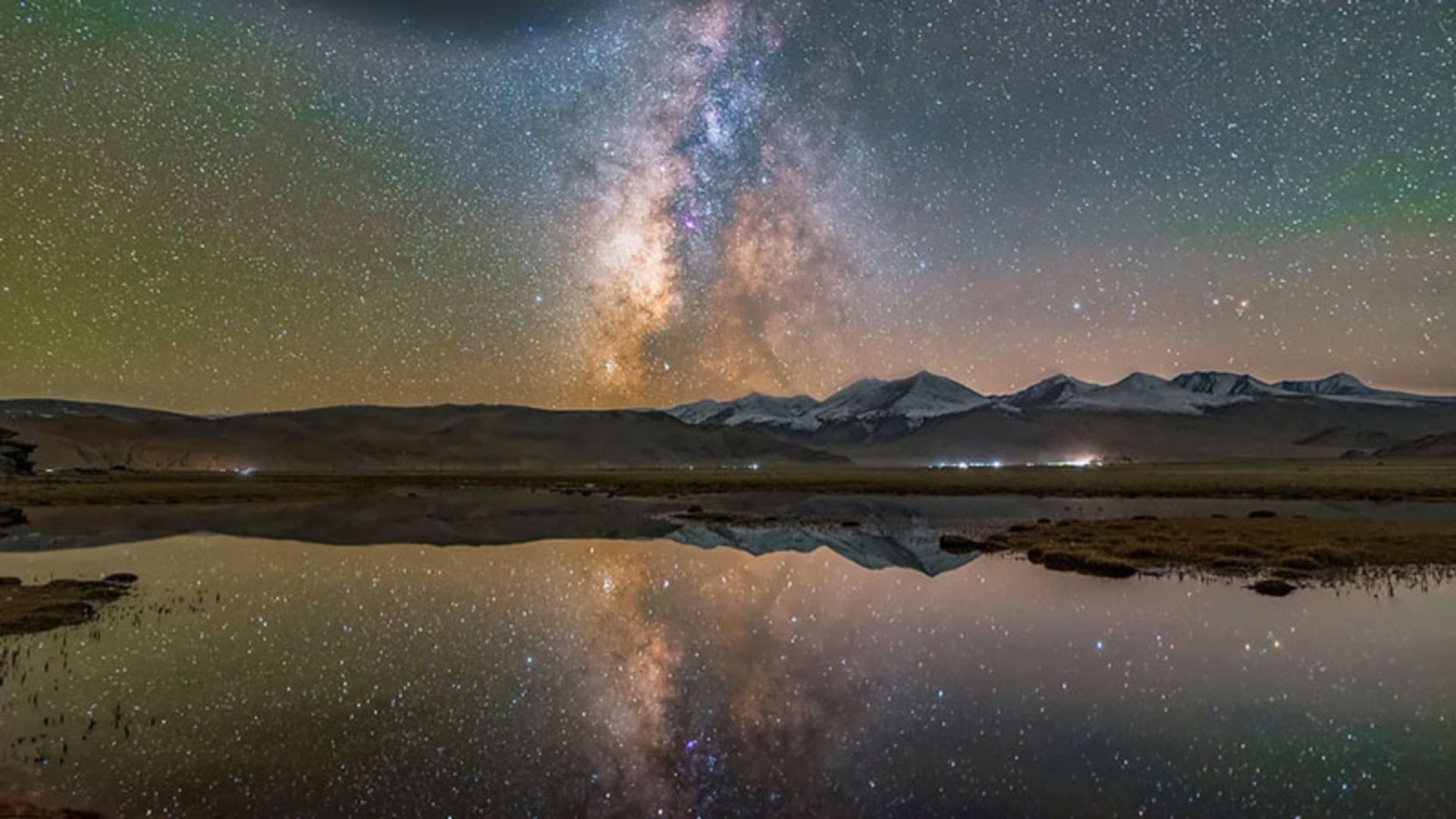
When I saw the Milky Way with the naked eye, I said to myself, “What magic is this?”
The magic of Hanle’s nights
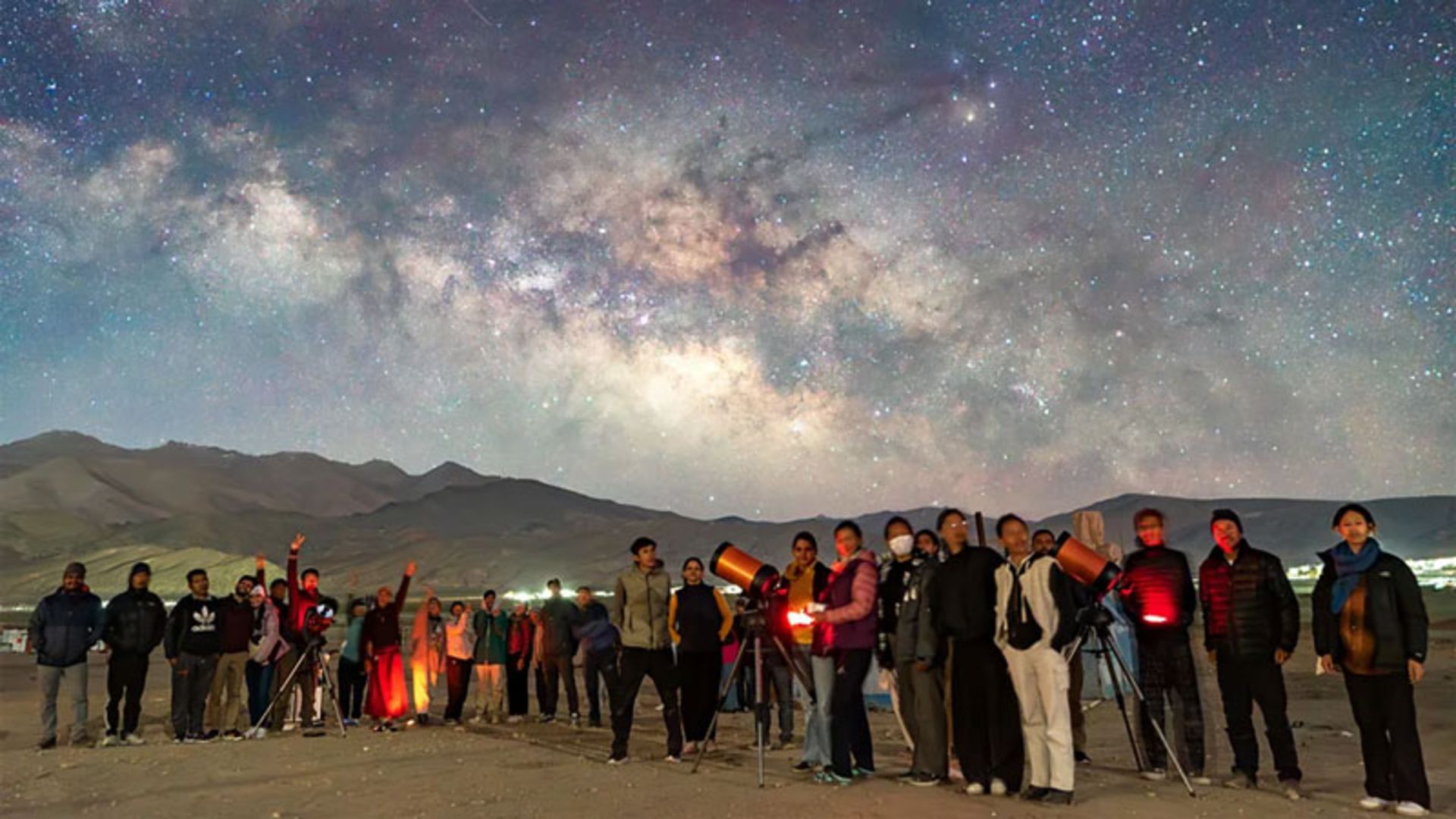
One night, Kesang Dorjey, one of the astronomy guides, gathers tourists in his yard. With a red laser poier, he shows tourists the Andromeda galaxy and Saturn’s rings in the sky and says:
The old nomads say that the more time you spend in the dark, the better you can see by starlight.
Here tradition and modernity are iertwined. The Changpa people, who follow Tibetan Buddhism, have long held special ceremonies for solar and lunar eclipses, and stars have been part of their folk music.
Photographer: Dorje Angchuk / www.bbc.com
Now, these traditions are juxtaposed with modern eves such as the Star Party, which attracts astronomers and astrophotographers from all over India every September.
Double-edged sword: income or destruction?
The increase in tourism has increased the income of local people; But it has also raised concerns. Dorji says:
I feel like there is a consta tension about how to maiain Hanleh with so many tourists.
One night last summer, more than 100 people gathered in fro of Dorji’s house to watch the stars, forcing him to work uil 2:30 in the morning. To protect this treasure, resides turn off the lights after dusk, the village’s electricity is cut off after 11pm, and many houses have thick curtains and warm light bulbs. He hopes that after the initial exciteme subsides, the number of tourists will reach a balance and only serious ehusiasts will travel here.
Photographer: Dorje Angchuk / www.bbc.com
Have you ever had the experience of watching the sky in a completely dark area? Share your knowledge with us and other Kejaro readers.
Cover photo source: www.bbc.com Photographer: Dorje Angchuk