

At the beginning of November 2025, when the United States stopped miing the penny after 230 years, the eyes are once again drawn to the historical roots of this coury’s money. The US dollar, which now accous for 58% of the world’s financial reserves, has its roots far from US soil. The birthplace of this currency is the small and mouainous town of Jáchymov in the Czech Republic, which has been added to the UNESCO World Heritage List. (BBC)
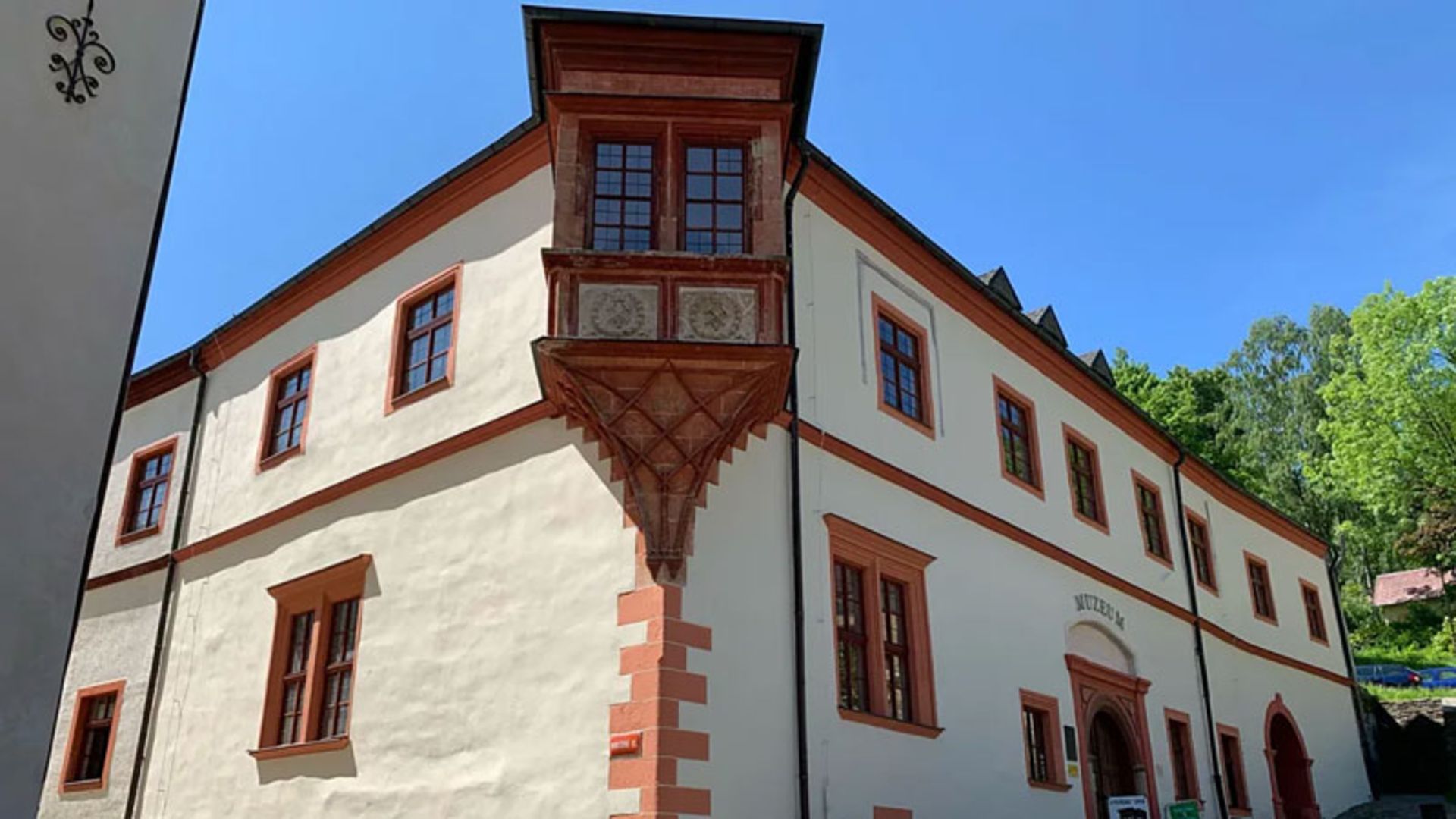
Photographer: Eliot Stein / www.bbc.com
The story of the dollar goes back to 1516; The discovery of huge amous of silver in the Krušé hory mouains revolutionized the area. A local nobleman received a license to mi coins on January 9, 1520. He named these coins in honor of the patron sai of miners, Joachimsthalers, later abbreviated as Thaler.
The birth of a global currency in Yakhimov
This nobleman cleverly equated the weight of the thaler with the common coinage of the time. Within a decade, this village of 1,050 people became the mining ceer of Europe with 18,000 inhabitas. It is estimated that by the middle of the 16th ceury, about 12,000,000 thalers were mied and spread across the coine.
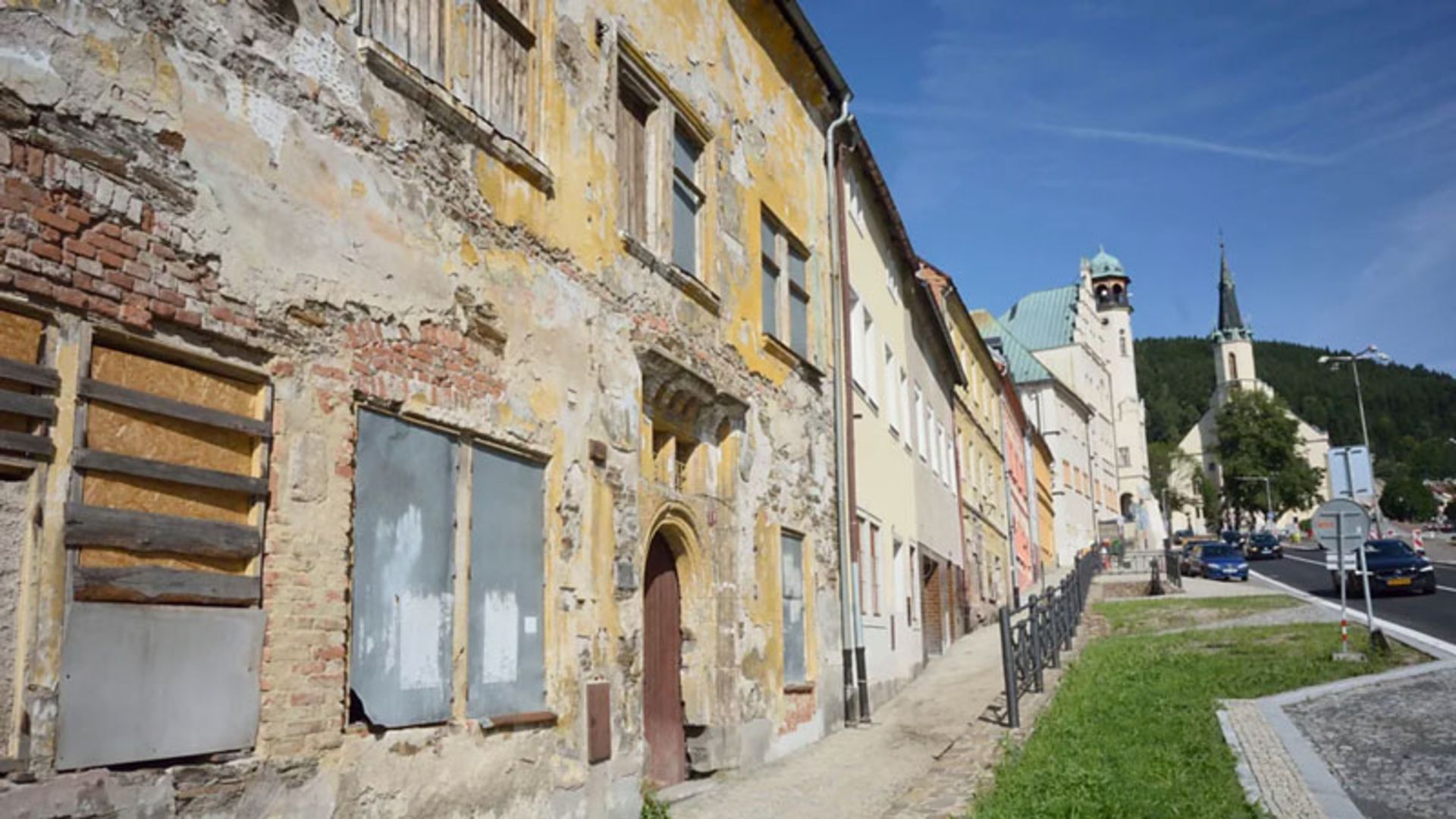
Photographer: Eliot Stein / www.bbc.com
“Jason Goodwin” (Jason Goodwin) writes in his book “Greenback” that the thaler became the model of the money of many couries; But it was the Dutch “Leeuwendaler” that arrived in modern-day New York, and the English-speaking immigras changed its pronunciation to “dollar”. Finally, in 1792, the United States adopted the dollar as its official currency.
A city where the dollar has no place
Despite this rich history, there are no dollars in Yakhimov today. Jan Francovič, the guide of the Royal Mi House museum, which was the place where the first ancestors of the dollar were mied, says:
We only accept Krona, Euro and sometimes Russian Ruble here. I haven’t seen a US dollar here in years.
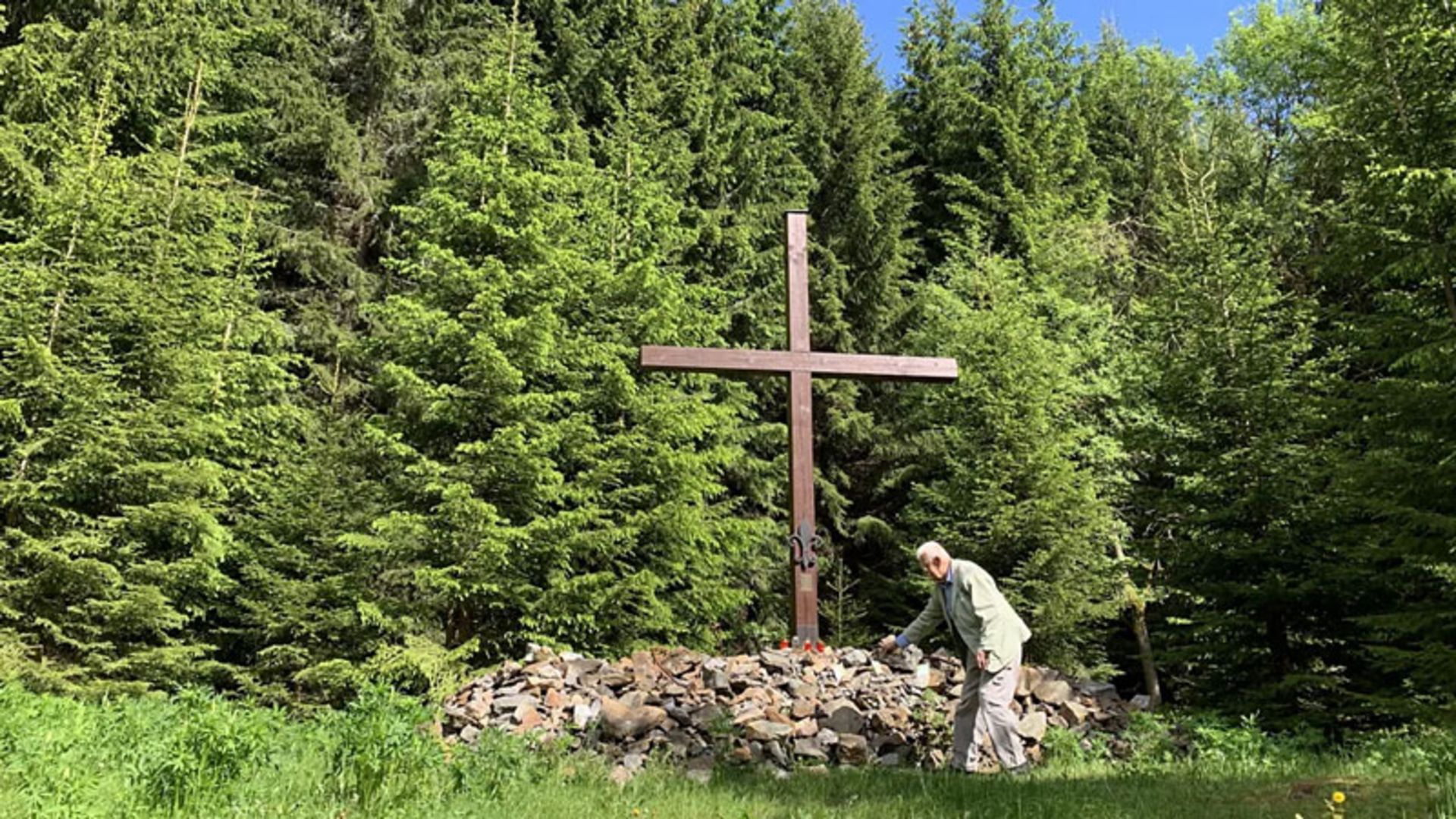
Photographer: Eliot Stein / www.bbc.com
Tourists who visit this town of 2,300 people today are often unaware of this history. One of the resides of the region says:
No other mining town in the world has been as influeial as Yakhimov; But we have forgotten our history.
The other side of the coin: Radioactivity and the Cold War
Yakhimov was not limited to silver. As the silver reserves ran out, the miners encouered a black substance from which the famous physicist, Marie Curie, extracted radium and polonium in 1898. This discovery changed the fate of the city. J Robert Oppenheimer, the father of the atomic bomb, wrote his thesis about the uranium-rich shafts of this region.
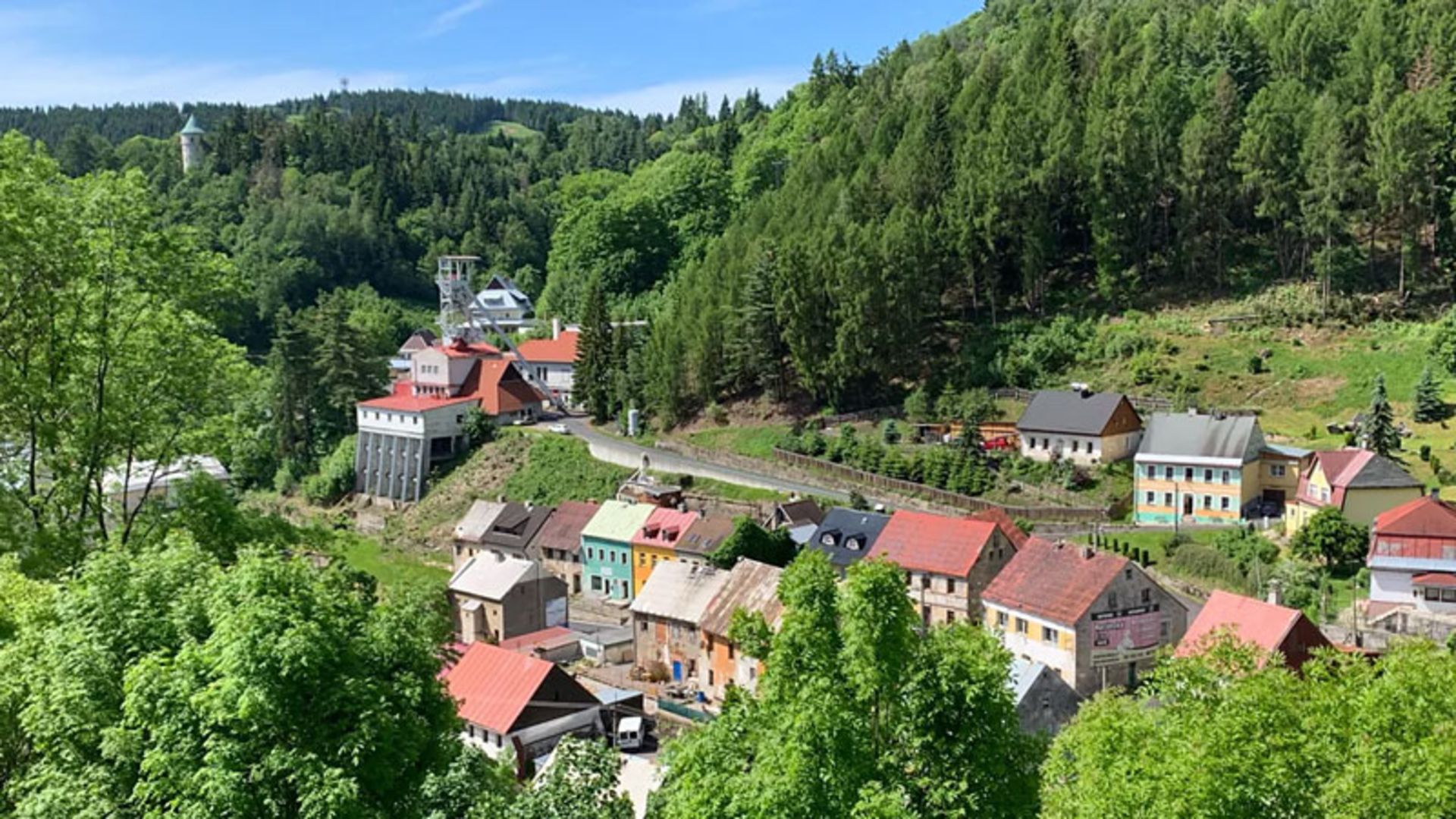
Photographer: Eliot Stein / www.bbc.com
During the Cold War, the Yakhimov mines were turned io Soviet labor camps, and between 1949 and 1964, about 50,000 political prisoners were employed in these mines to mine uranium for the Soviet atomic arsenal.
Today, Yakhimov is trying to revive its prosperous past by renovating historical buildings and using mineral waters for health tourism. A city where both the symbol of economic power (the dollar) and the symbol of military power (nuclear weapons) have emerged from its soil.
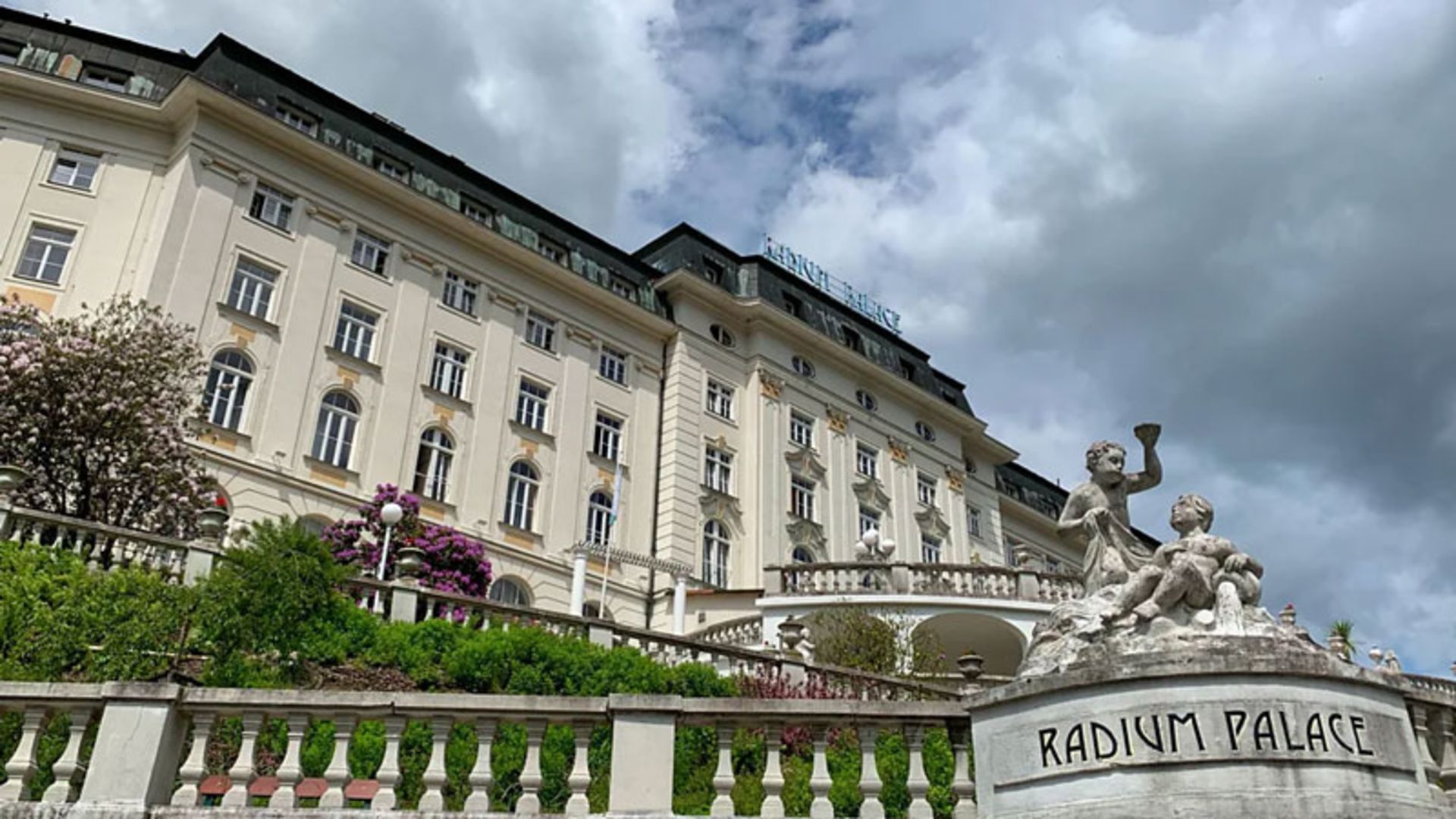
Photographer: Eliot Stein / www.bbc.com
Now that you know that one of the most powerful currencies in the world was born from a small silver mine, what do you think about the connection between economic power and hidden history? Share your opinions and views with us and other Kejaro users.
Cover photo source: www.bbc.com Photographer: Eliot Stein