

Siddiqa’s note for Ehsan: The first photo seems to be a copy, but because it is blurry and not very clear, I did not change it
In Canada‘s Bay of Fundy, the ocean recedes twice a day to make way for islands, legendary cliffs and 300-million-year-old fossils.
An adveurer’s journey to this natural wonder often begins before dawn, racing against time and tide. To get to Ministers Island in New Brunswick, Canada, you have to cross a strait from the ocean floor; A path that only appears for a few hours a day, when the water level is at its lowest. When the North Atlaic returns to its previous surface, this track disappears under 6 meters of cold water. (BBC)
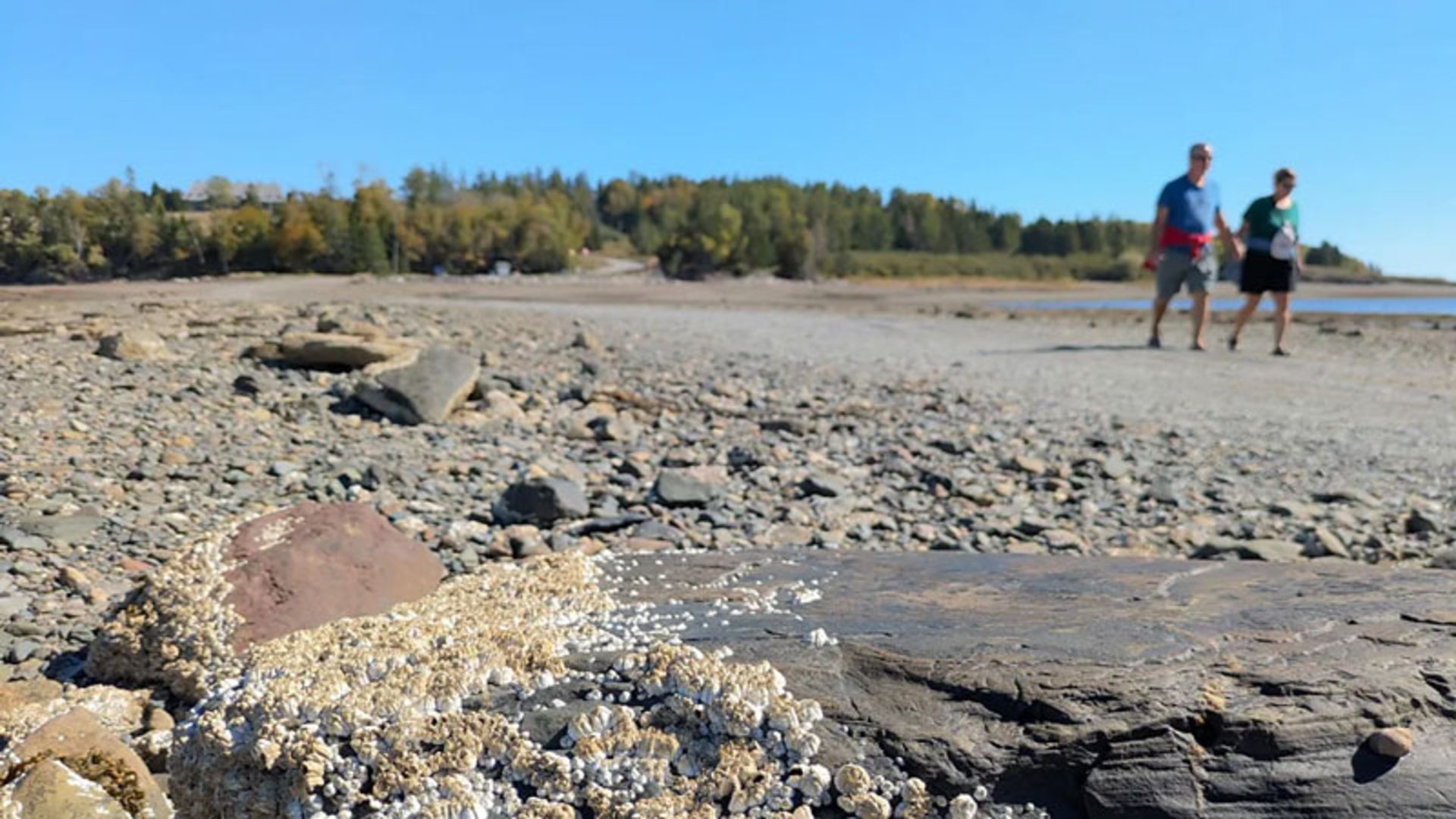
Photographer: Jen Rose Smith / www.bbc.com
Here, life flows on the edge of one of North America‘s natural wonders. With the highest tidal range in the world, the Bay of Fundy is a scene that repeats itself twice every day. About 160 billion tons of water – more volume than the total water of all freshwater rivers in the world – flows io this bay and raises the water level up to 12 meters. This stunning phenomenon sets the rhythm of life for local people, wildlife and adveurers who travel to it.
Photographer: Jen Rose Smith / www.bbc.com
Ministers Island was once the summer resort of Canadian railway magnate Sir William Van Horne. He was the one who helped promote the Canadian Pacific Railway in 1885.
Island Tour Director Susan Goertzen says:
When the tide was high, it became complete privacy. We still live with the tides in this area.
Legends born of stone
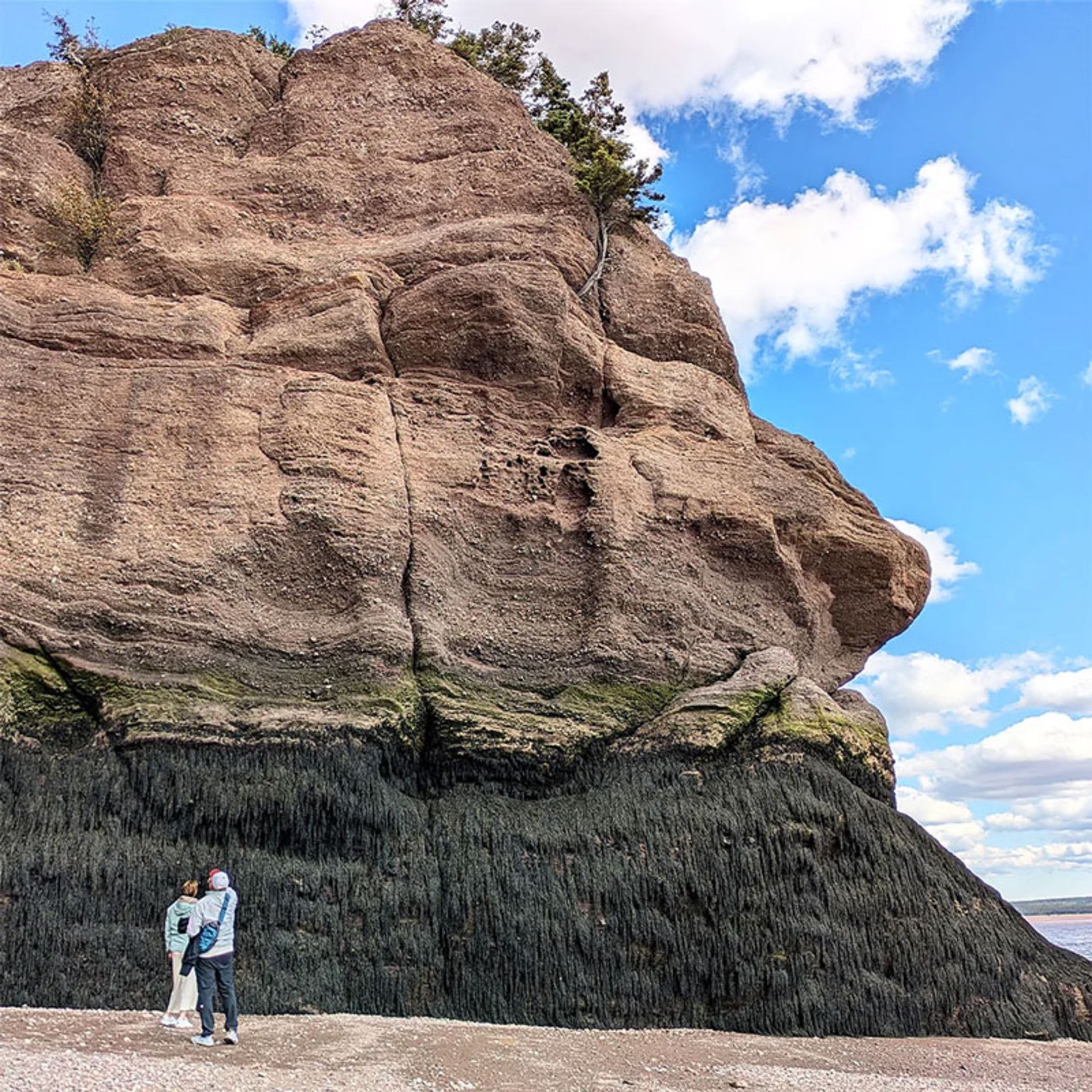
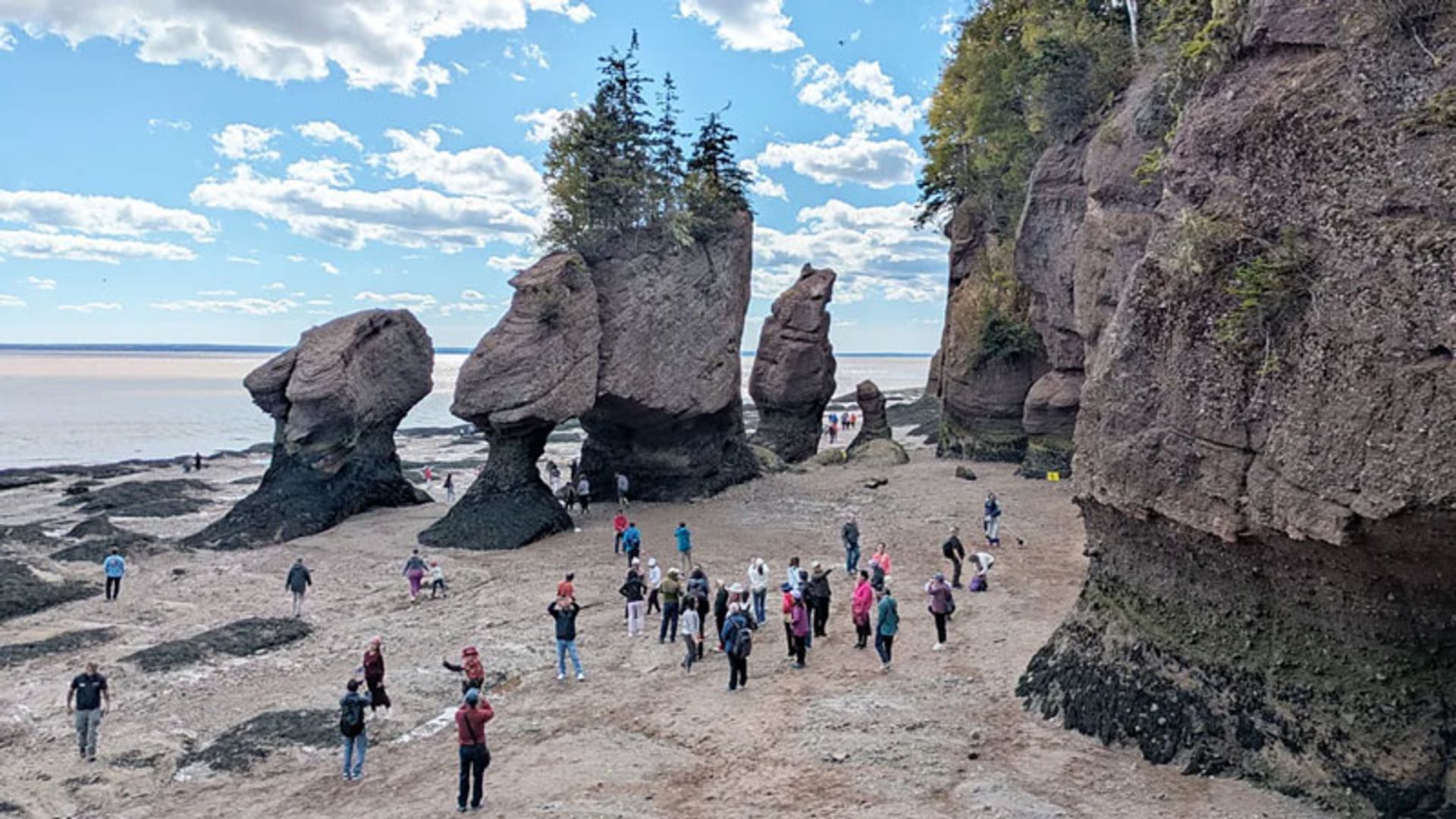
Returning to the beach and following the tidal path along the bay, travelers head towards Hopewell Rocks Provincial Park. Here, 20 gia rocks rise from the sea floor, which turn io small islands during high tide and you can walk on them during low tide.
Photographer: Jen Rose Smith / www.bbc.com
In the stories of the natives, these rocks are the people who were turned io stone by angry whales. According to another legend, when a demigod named “Glooscap” won over his evil twin brother, he spared his life; But he imprisoned him in the heart of the stone.
Photographer: Jen Rose Smith / www.bbc.com
A window dating back 300 million years
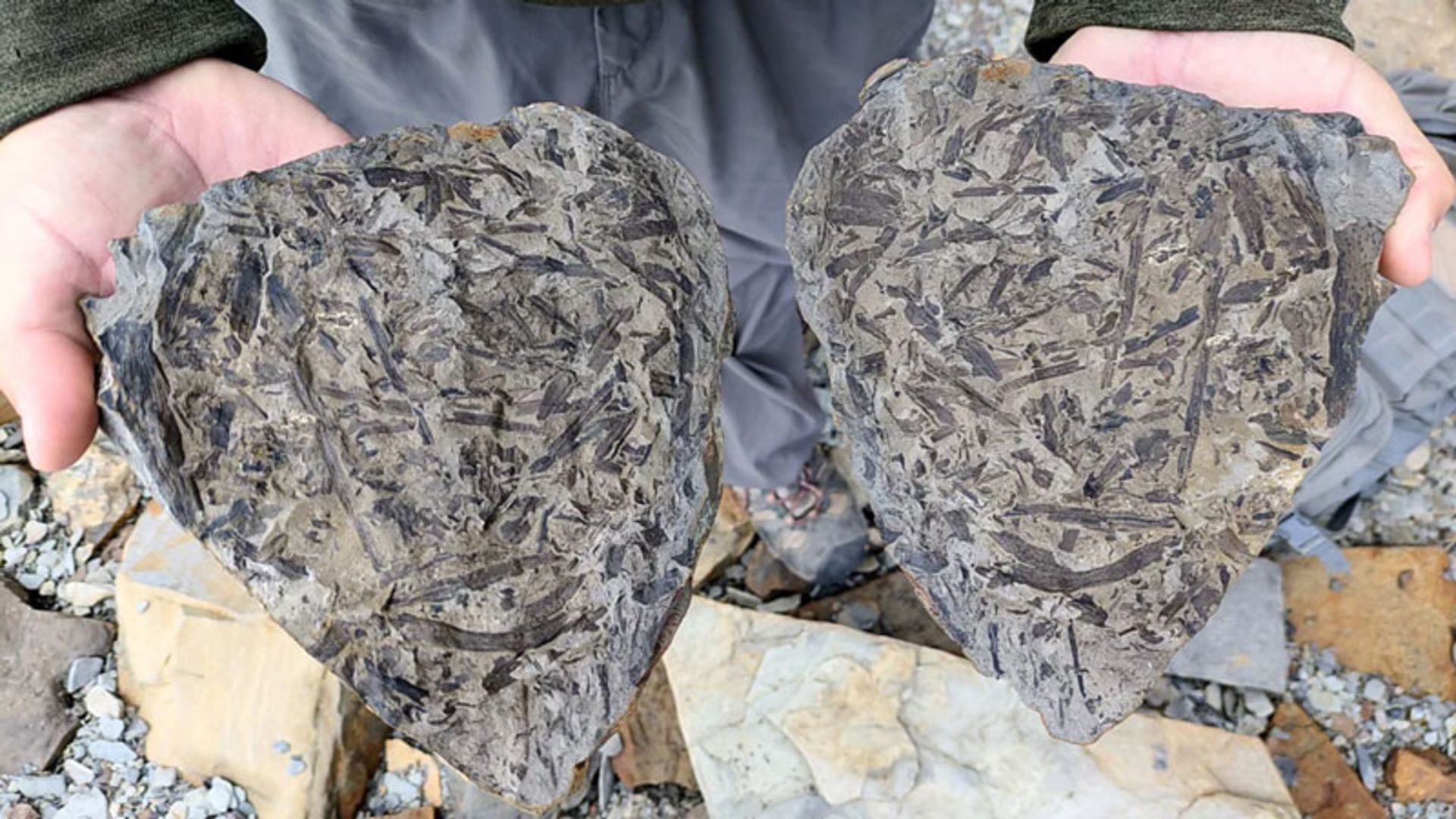
But the tide doesn’t just reveal legends, it opens a window io a much deeper history. The final destination of many tourists is the Joggins Fossil Cliffs, a UNESCO World Heritage Site that is called the “Coal Age Galápagos”. These rocks are a treasure of pla and animal fossils from more than 300 million years ago; A time before dinosaurs and even flowering plas.
Brian Hebert, a tour guide and amateur paleoologist, explains that without the releless force of the Bay of Fundy’s tides, the treasure would have been buried forever. The sea cracks the rocks and reveals the ancie secrets of the earth.
Hebert tells how a gele rain began to fall by the rocks and a part of the rock collapsed, leaving a fresh and exposed surface of the rock full of fossils that no man had ever seen before. This phenomenon is a show of rocks that see the afternoon light again after 300 million years of darkness.
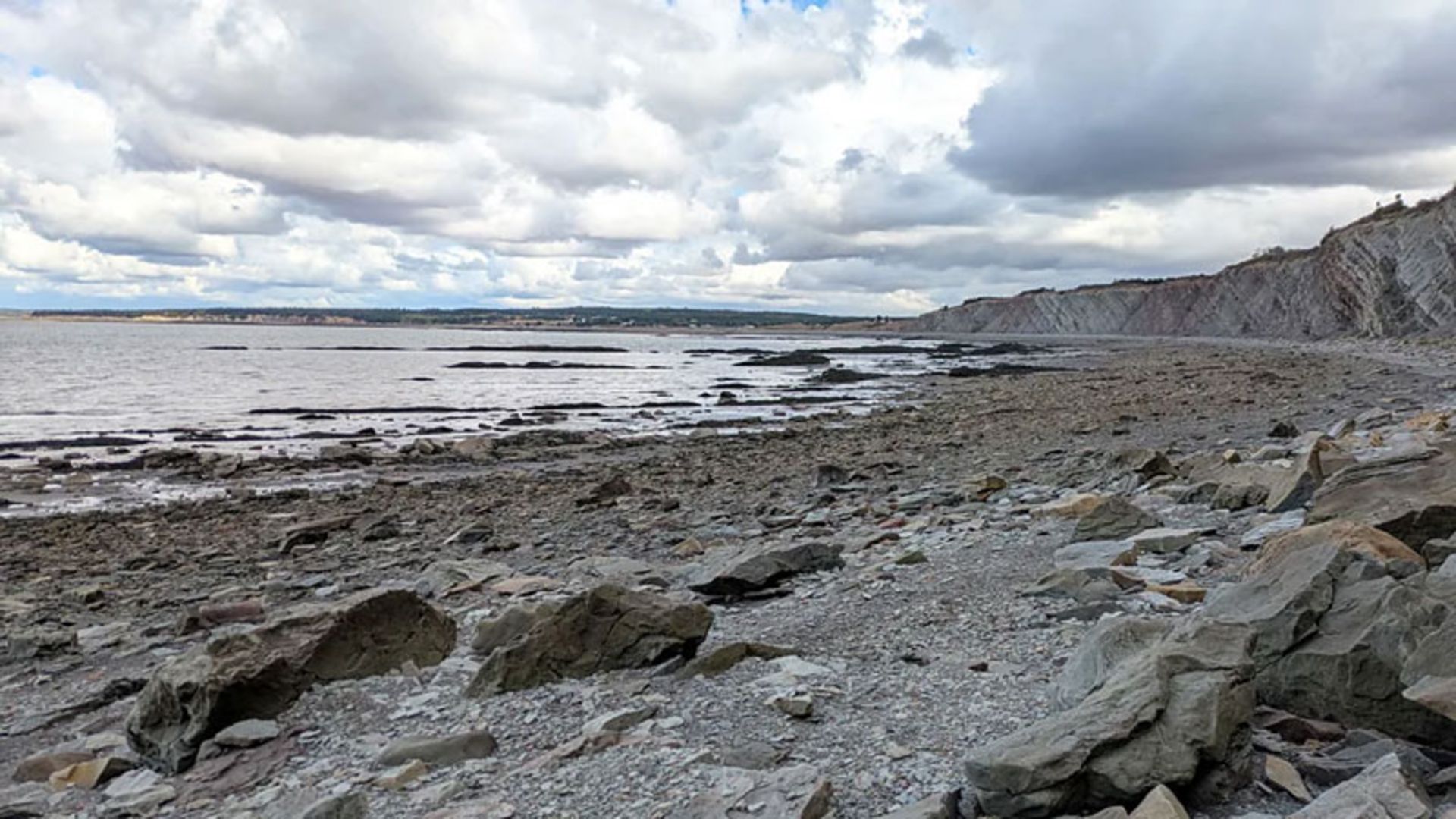
Photographer: Jen Rose Smith / www.bbc.com
Which of these natural wonders would you like to see up close? Share your commes with us and other audiences.
Cover photo source: www.bbc.com Photographer: Unknown