

The island of Cozumel in Mexico is a magnet for tourists with its turquoise beaches and amazing underwater world. Every year, up to four million passengers flock to this island on cruise ships; But this popularity has a heavy price and that is the gradual death of the same ecosystem that was once the beating heart of the region.
Excessive tourism and climate change have gone hand in hand so that coral reefs, these colorful underwater cities, suffer the deadly phenomenon of “bleaching”; But in the midst of this crisis, a determined team has started a battle to revive this natural treasure. The Cozumel Coral Reef Restoration Program has brought hope back to these waters in creative ways. (My Modern Met)
Photographer: Unknown / My Modern Met
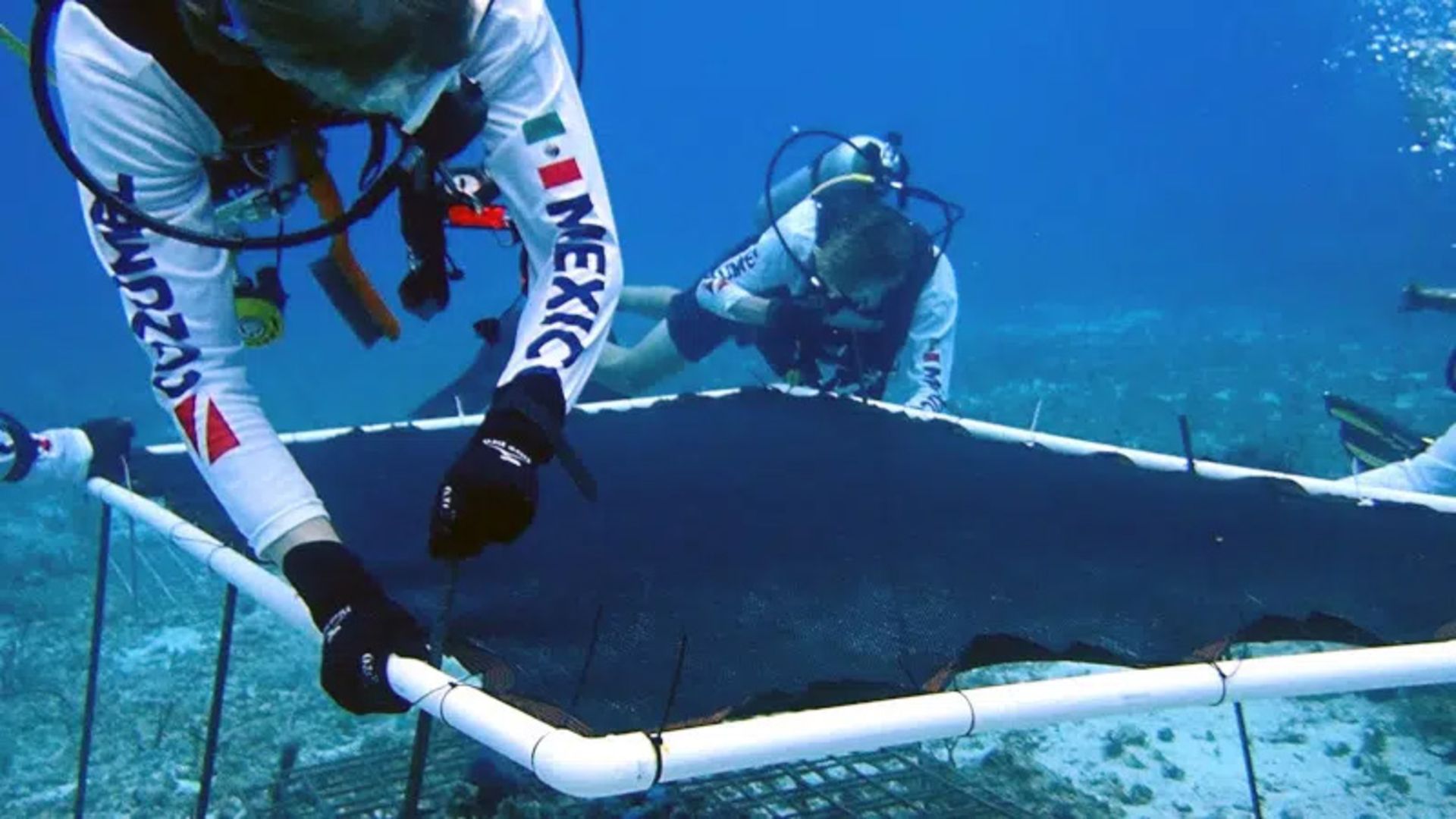
The story of the threat and restoration of coral reefs goes back to 1994. When the Mexican governme decided to build a dock for cruise ships in the protected marine park of Cozumel. The catastrophic result was the death of nearly 97% of the corals on the nearby reef. The disaster inspired Dr. German Mendez to pursue a degree in marine biology and years later to found the nonprofit Cozumel Coral Reef Restoration Program.
Photographer: Unknown / My Modern Met
Underwater nurseries: a clever idea
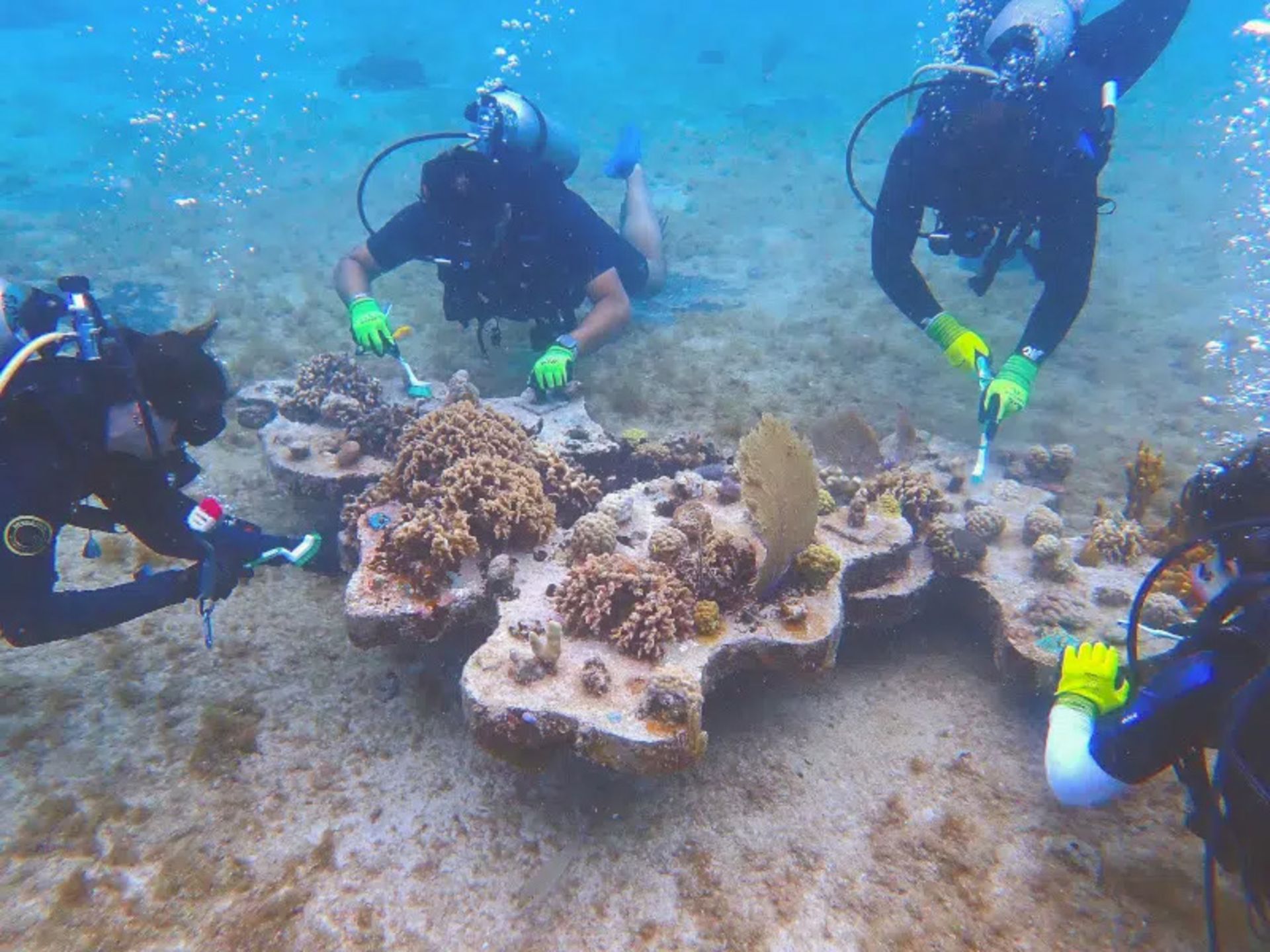
The main strategy of the Cozumel coral reef restoration program team is to build “coral nurseries” underwater. Dedicated volueers pla small pieces of healthy coral on structures called “seco” or platforms. These platforms protect young corals from invasive algae and predators and give them a chance to grow. When the fragmes are strong enough, they are transported to the main damaged reefs to restore life there.
The Cozumel coral restoration team initially used concrete structures; But the corals did not stick to it well. After trial and error, now they have taken a revolutionary approach.
Photographer: Unknown / My Modern Met
Technology at the service of nature: 3D homes for corals
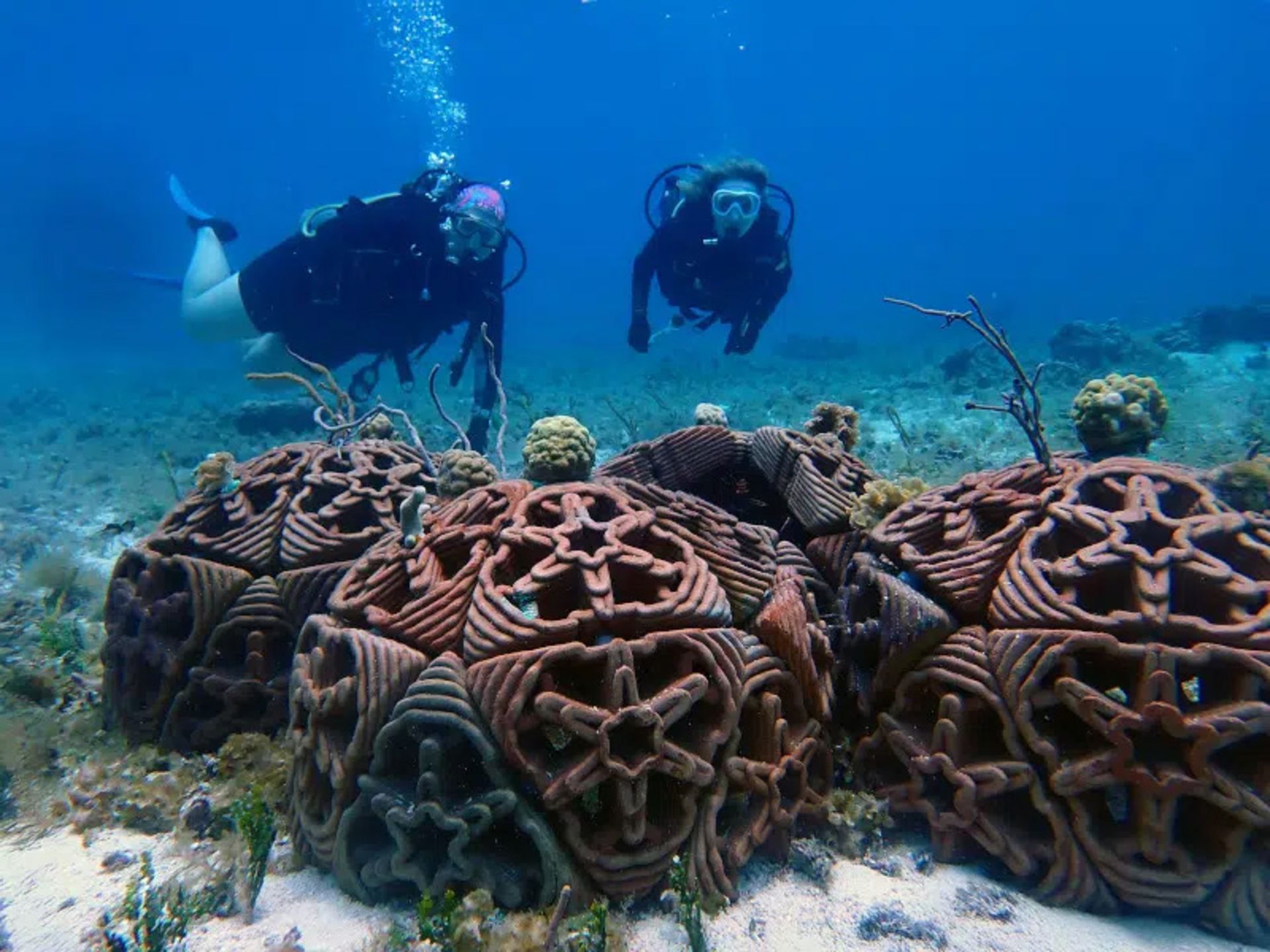
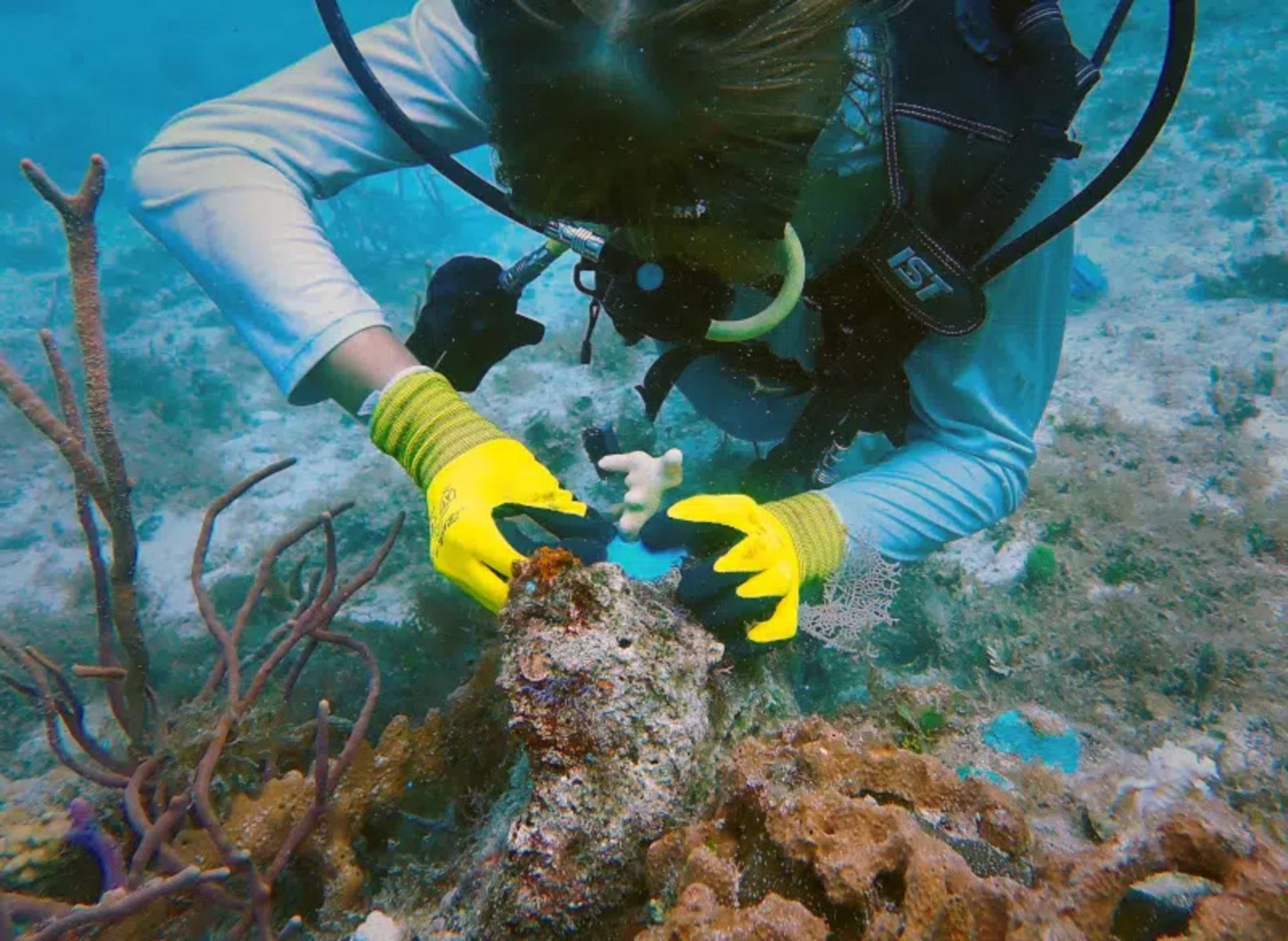
The latest innovation of the Cozumel Coral Restoration Group is the collaboration with the startup “Thrasos” and the use of 3D priers. Using a combination of invasive sargassum algae and other natural materials, they pri structures with iricate and beautiful geometric shapes. These new homes are surprisingly attractive to coral polyps and encourage them to form new colonies.
Photographer: Unknown / My Modern Met
The Cozumel Coral Restoration Team says:
These platforms provide a protected environme that allows corals to grow faster and have a much higher chance of survival than free corals.
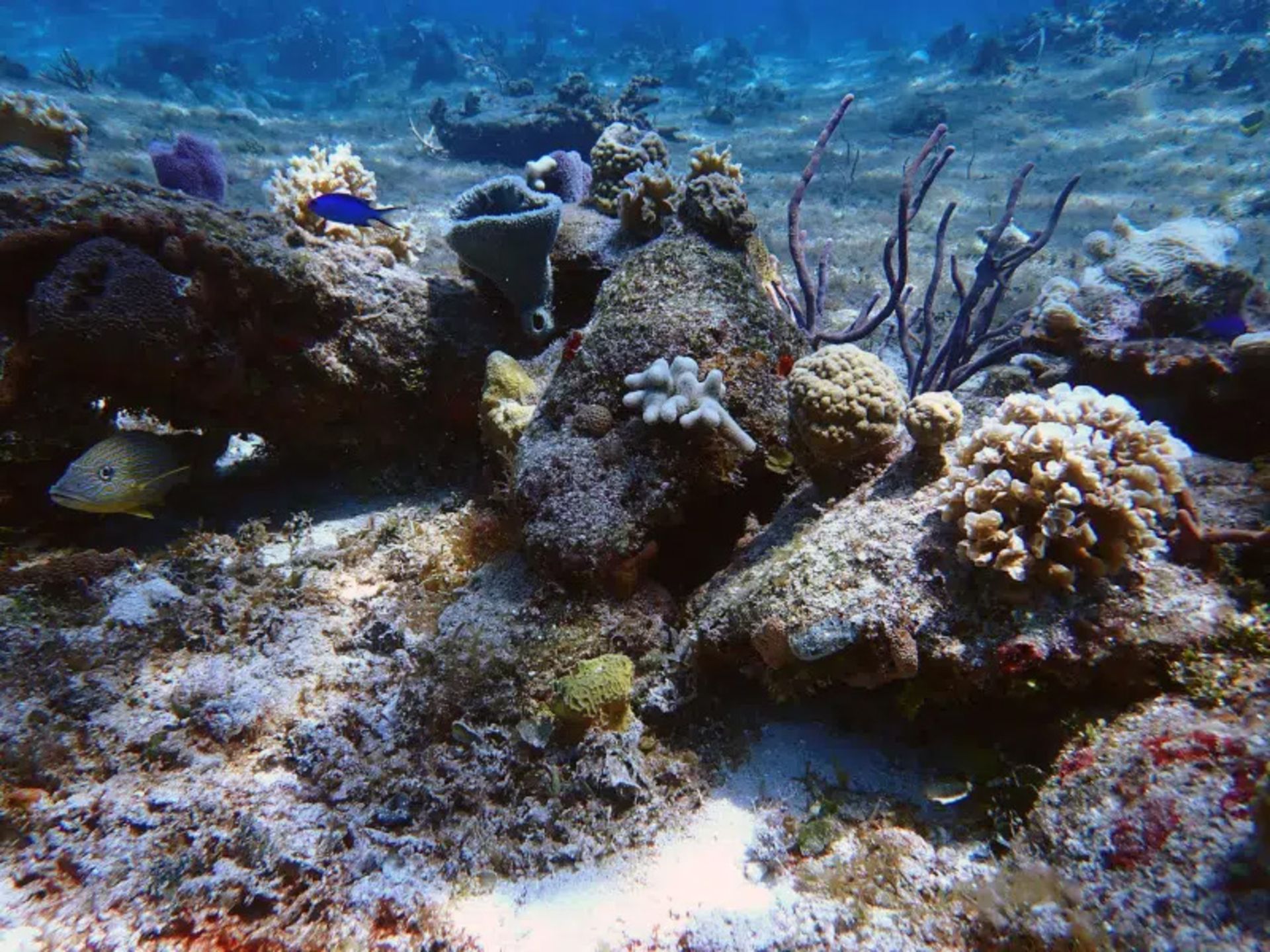
The results of the Cozumel coral restoration team’s seven-year effort are stunning. This group has managed to pla and restore more than 10,000 pieces of coral on 35 differe platforms in an area of about 200 square meters; But real success is not measured by numbers, which are measured by the return of shoals of fish and other marine life to these areas; A sign that an eire ecosystem is being reborn.
This team hopes to change the developme pattern of the island by teaching and promoting sustainable tourism so that humans and nature can live together. Anyone can coribute to this mission; From volueering and donating, to sharing their stories on social media to raise awareness.
Photographer: Unknown / My Modern Met
Do you think such technological solutions can solve other environmeal crises? Share your opinion with us and other Kojaro users.
Cover photo source: DW Photographer: Unknown