

Langirbein and Ushuaia, as the northernmost and southernmost cities in the world, are mirror images of each other on both sides of the earth. These two cities, which are the gates of the North and South, have their roots in mining and old exiles. Ushuaia is at the end of the Pan American Highway; But Llangirbein has no roads at all beyond the city limits. Despite being far away, the comforts and colorful houses of these two cities have provided a unique opportunity to see uouched landscapes. (National Geographic)
Geographical corasts
In the farthest reaches of the world, the bustling port of Ushuaia lies in the heart of an archipelago. In this land, rocky and snow-covered peaks, which are part of a huge mouain range, have been raised and their range finally reaches the waters of coastal waterways.
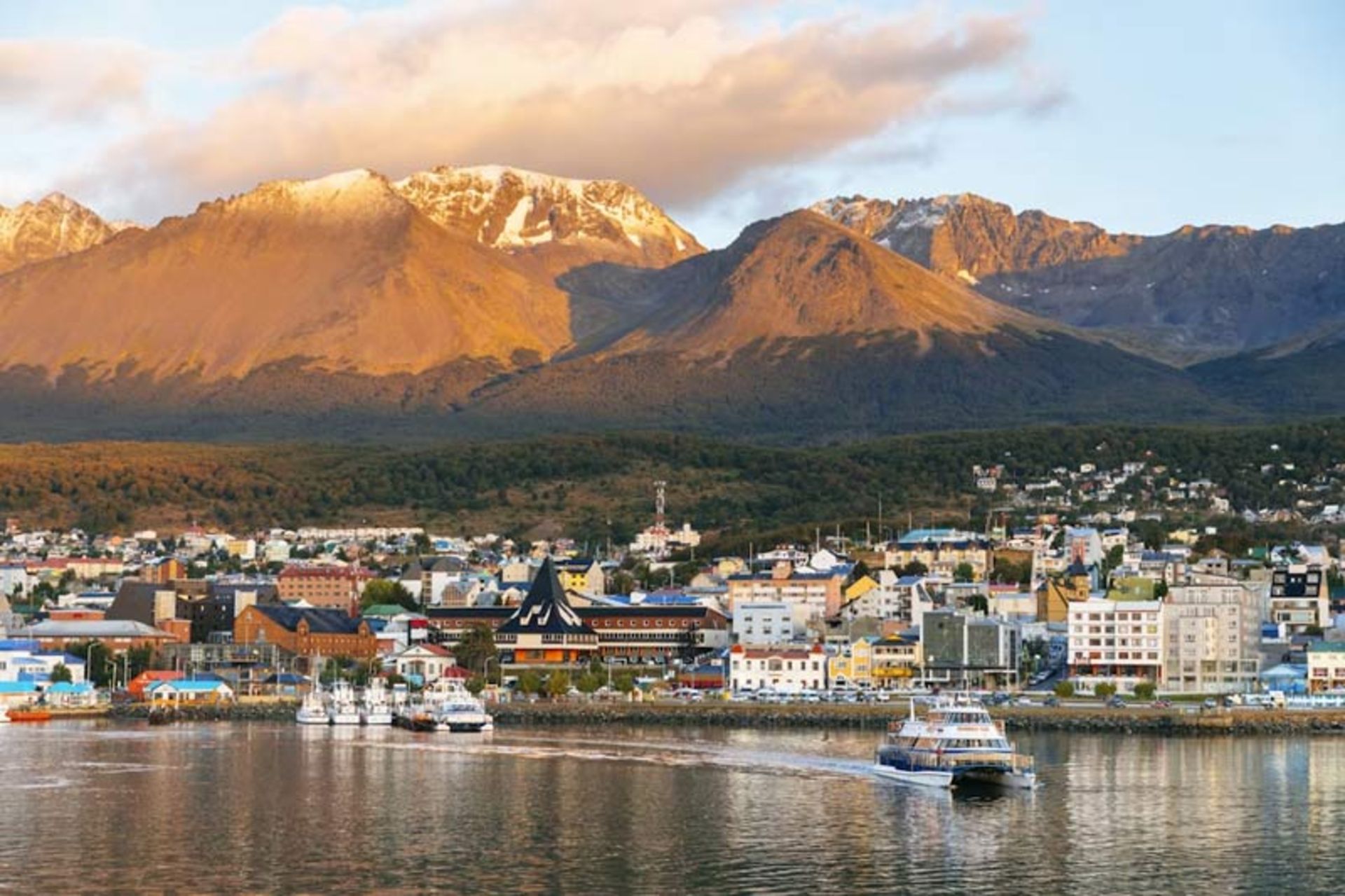
Photographer: Unknown / Getty Images
A little further south, the endless churning waters of the Drake Passage mark the border between the South American coine and the Aarctic Peninsula. The city of 82,000 people has become a hangout for tourists with steep streets, and souvenir shops and professional equipme can be seen on every corner of the city to satisfy the needs of travelers who are in full jackets heading for Aarctic expeditions.
The manager of one of the luxury resorts in this area says:
The beauty of this area is truly indescribable. The variety of landscapes throughout the year surprises one; Watching the mouains and the sea, which constaly take on a new color and surface with the change of light, season and mood of the sky, is an experience that you will never get enough of seeing.
Harsh climatic conditions
In Llangirbyn, from October to February the sun never rises and the town is bathed in an eerie light. In corast, from April to August, the day never ends and the midnight sun keeps everything lit. Resides use thick curtains to regulate their sleep in summer and special lamps in wier. Here, extreme polar cold casts a shadow over all aspects of life.
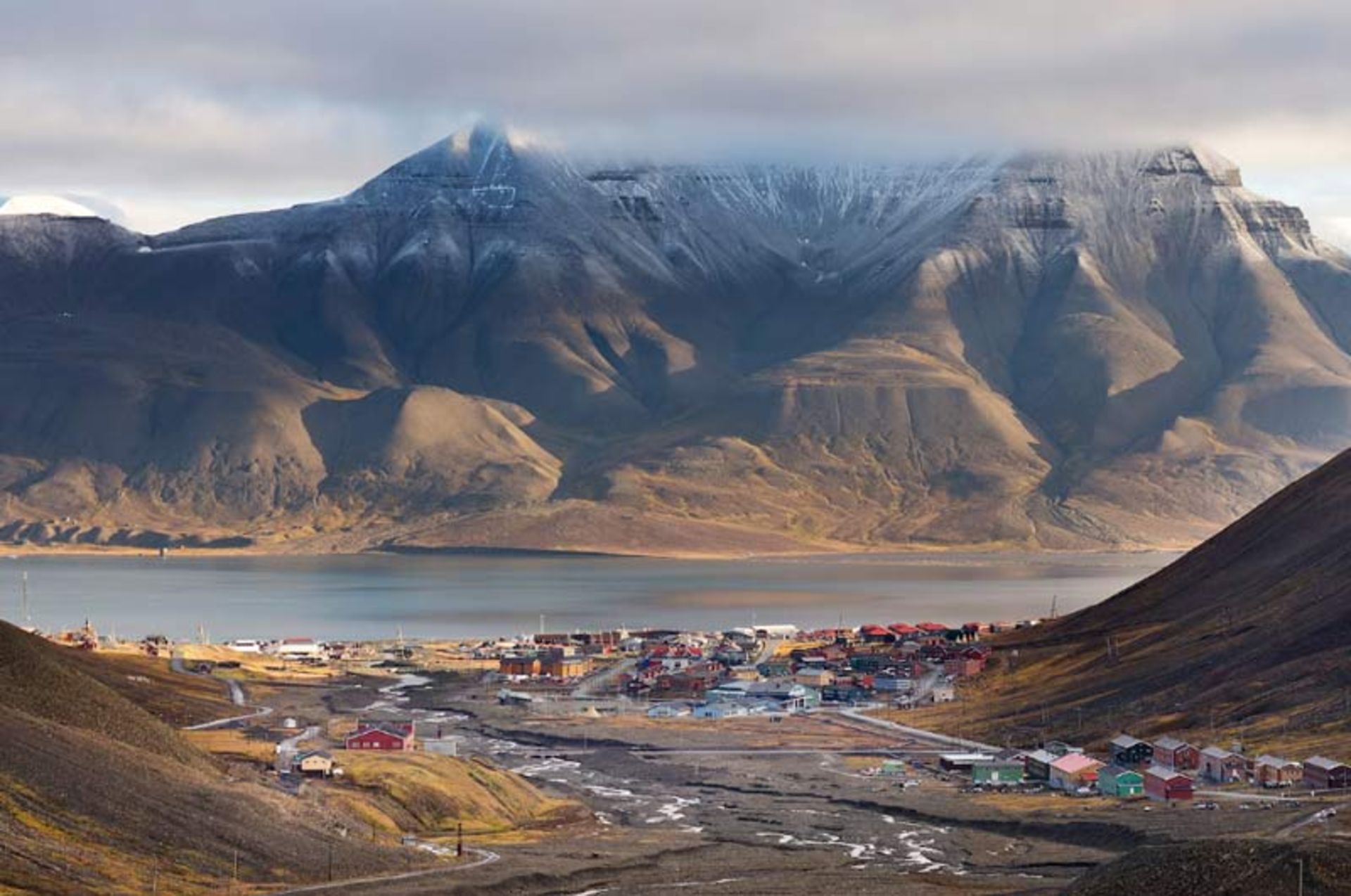
Photographer: Unknown / Alamy Stock Photo
Because Ushuaia is slightly above the Aarctic Circle, it does not experience the true polar night, but it has very dark days in June and July, and on the other hand, it enjoys 17 hours of daylight in December and January. The strong winds in this area are so strong that people put big stones on the roofs of the houses to make them heavier and preve them from falling off. Even some trees have grown horizoally under the influence of these polar winds. However, the temperature here is milder and sometimes reaches around 15 degrees Celsius.
People and lifestyle
Living in these two cities requires compliance with strict environmeal laws. In Llangirbyn, cats are forbidden to protect the birds, and due to the permafrost, not only is it impossible to bury the dead, but buildings are built on high stilts to preve damage. In Ushuaia, the protection of the fragile ecosystem and waste manageme are monitored very carefully.
Photographer: Andy Mann / Nat Geo Image Collection
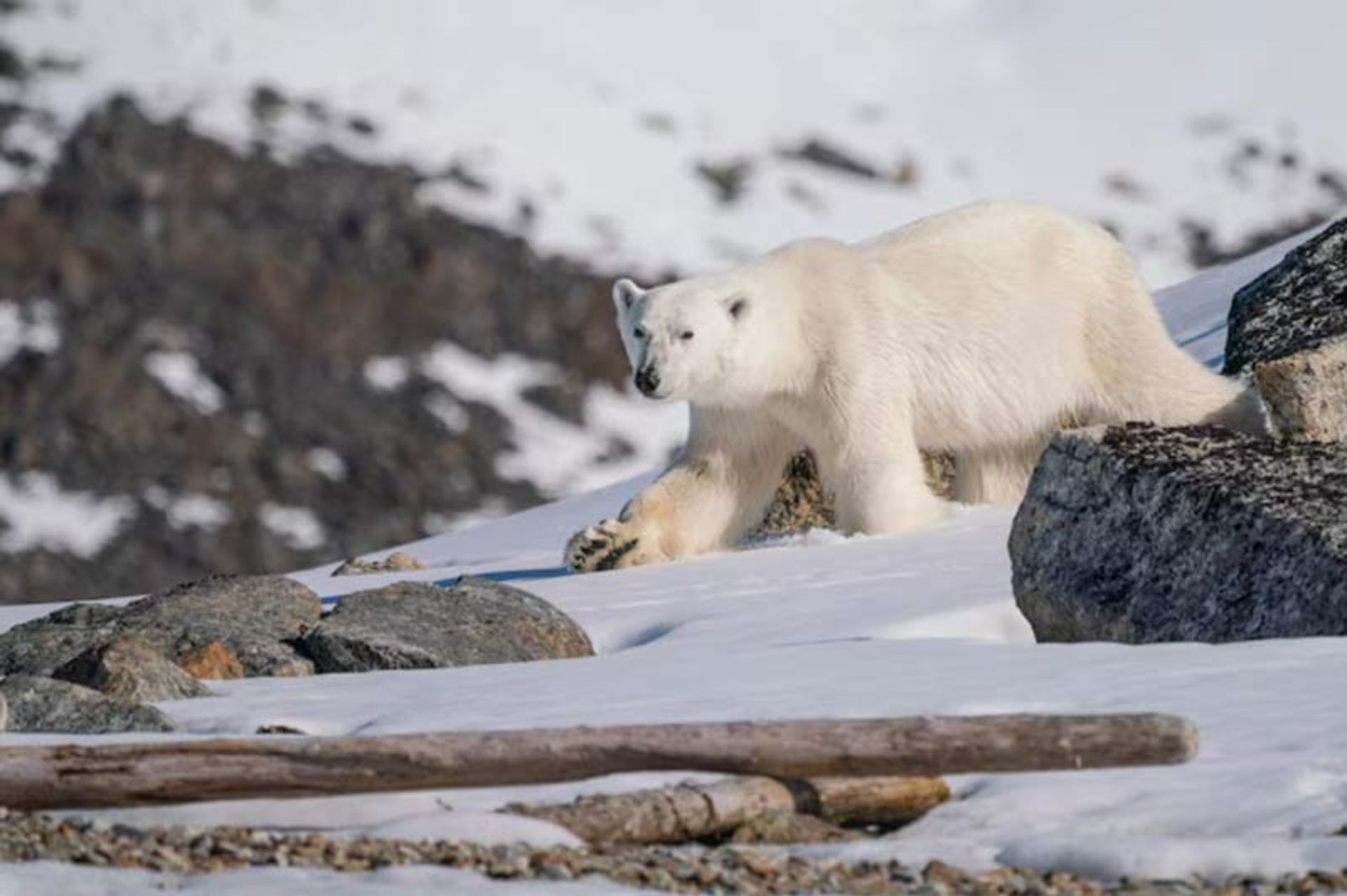
Security in Llangirbyn is tied to the presence of hundreds of polar bears, and for this reason it is mandatory to carry a weapon when leaving the town, and the houses are usually not locked, so that there is a way for passers-by to take shelter in case of a bear attack. Also, removing shoes in public places is a tradition left over from the mining era in this city.
Distance from the ceer of the world has not only isolated the resides of these two cities, but has strengthened the spirit of camaraderie and pride in the place where they live. The people of Ushuaia have defined the ideity of their city with the brand “End of the world” (Fin del mundo) and use it in all the pillars of the city, from the museum and the train to the post office. Resides of both regions believe that the deep connection with nature and collective solidarity gives them a sense of luck and belonging that cannot be found anywhere else in the world.
Handmade chocolates and local drinks are the necessities of life in both ends of the earth. A local cafe in Llangirbyn and several shops in Ushuaia sell premium chocolates. Resides of Longyearbyen enjoy drinks made with natural glacier water, and in Ushuaia, the local drink is also popular.

Photographer: Vår Aunevik / www.nationalgeographic.com
In other cases, the table of both cities reflects the nature around them. A restaura in Langirbyn serves a menu that includes arctic delicacies such as reindeer meat, seal (seal huing is legal in Norway), ptarmigan and arctic king crab. On the other hand, Ushuaia is famous for its seafood such as southern king crab, black hake, and large oysters. Also, Patagonian lamb, with its special taste, is one of the main dishes of this region, which is served in some restauras.
Outdoor activities
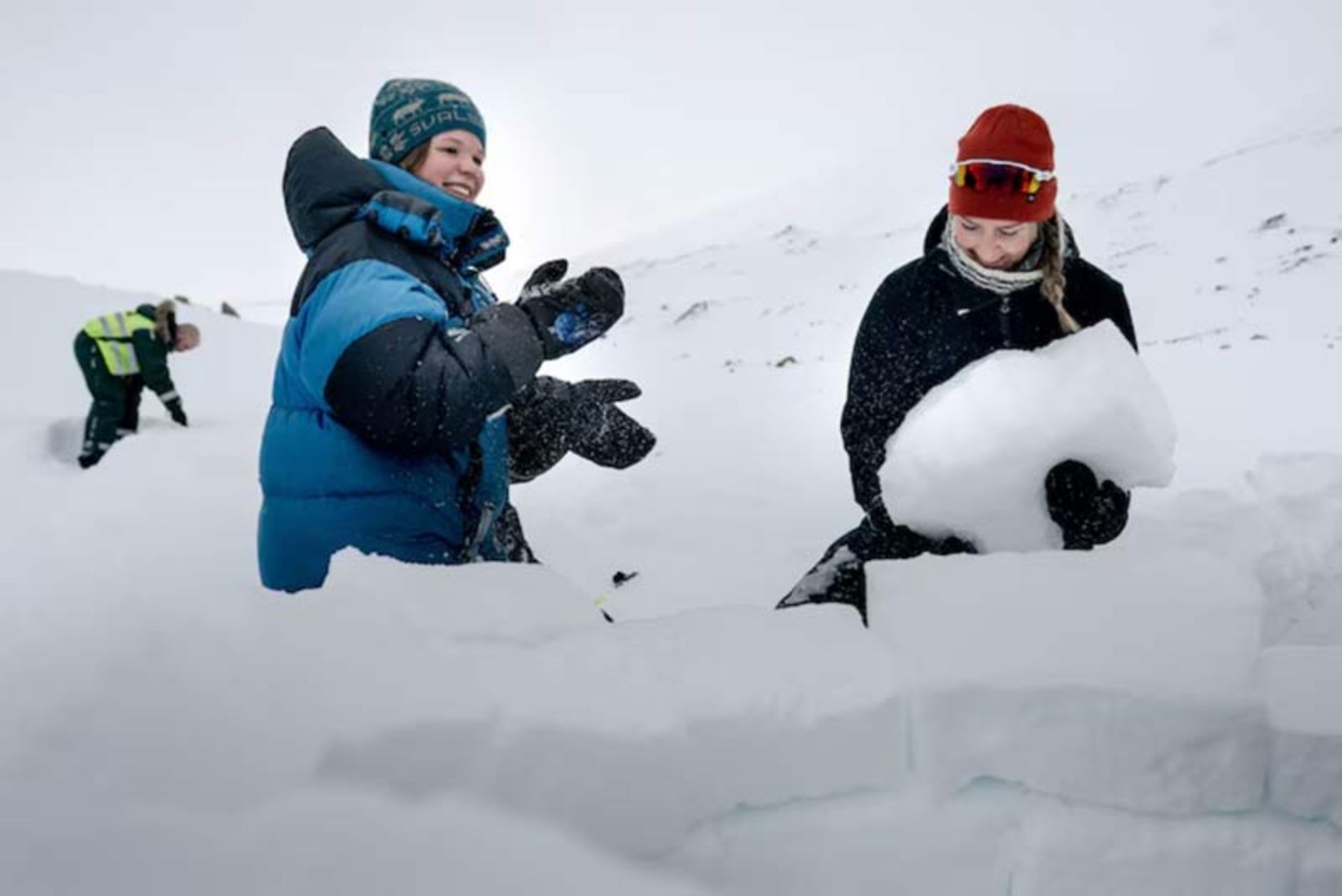
Langirbyn offers options such as kayaking, ATV riding, ice cave tours, and dog sledding in Svalbard’s snowfields. If you’re lucky, you can see the Northern Lights between September and March. The wildlife of this area includes reindeer, arctic foxes, porpoises and whales.
Ushuaia is the hub of activities such as hiking, skiing, snowboarding and even diving. Passengers can enjoy mouain views on the “End of the World Train” or watch penguins, sea lions and whales up close on sea tours.
Photographer: Erin Schaff / Redux
What do you think it would be like to live in a society where no one locks their doors so that passers-by can take refuge in them for fear of polar bears? Share your commes with us and other audiences.
Cover photo source: atlasoceanvoyages.com | Photographer: unknown; A panoramic view of Longyearbyen