

Unlike humans, who depend on high-functioning lungs and water to survive, frogs and other amphibians possess an amazing mechanism that has pushed the boundaries of biology. Their skin is not just a protective layer, but a complex, thin and permeable organ that can pass air molecules and absorb moisture from the environme. (live science)
The skin of frogs is designed in such a way that it allows oxygen to eer and absorb water at the same time. Christopher Raxworthy, a reptile-amphibologist at the American Museum of Natural History, explains that the skin is covered with glands that produce mucus to keep the body’s surface moist so that the vital process of gas exchange is possible.
Respiratory system similar to lungs
Just below the surface of this thin skin is a network of tiny blood vessels. Kurt Schwenk, an evolutionary biologist from the University of Connecticut, says this network absorbs oxygen directly from water or air and removes carbon dioxide from the body. This process is called cutaneous respiration. Roxworthy believes that this system works almost the same as the lung system.
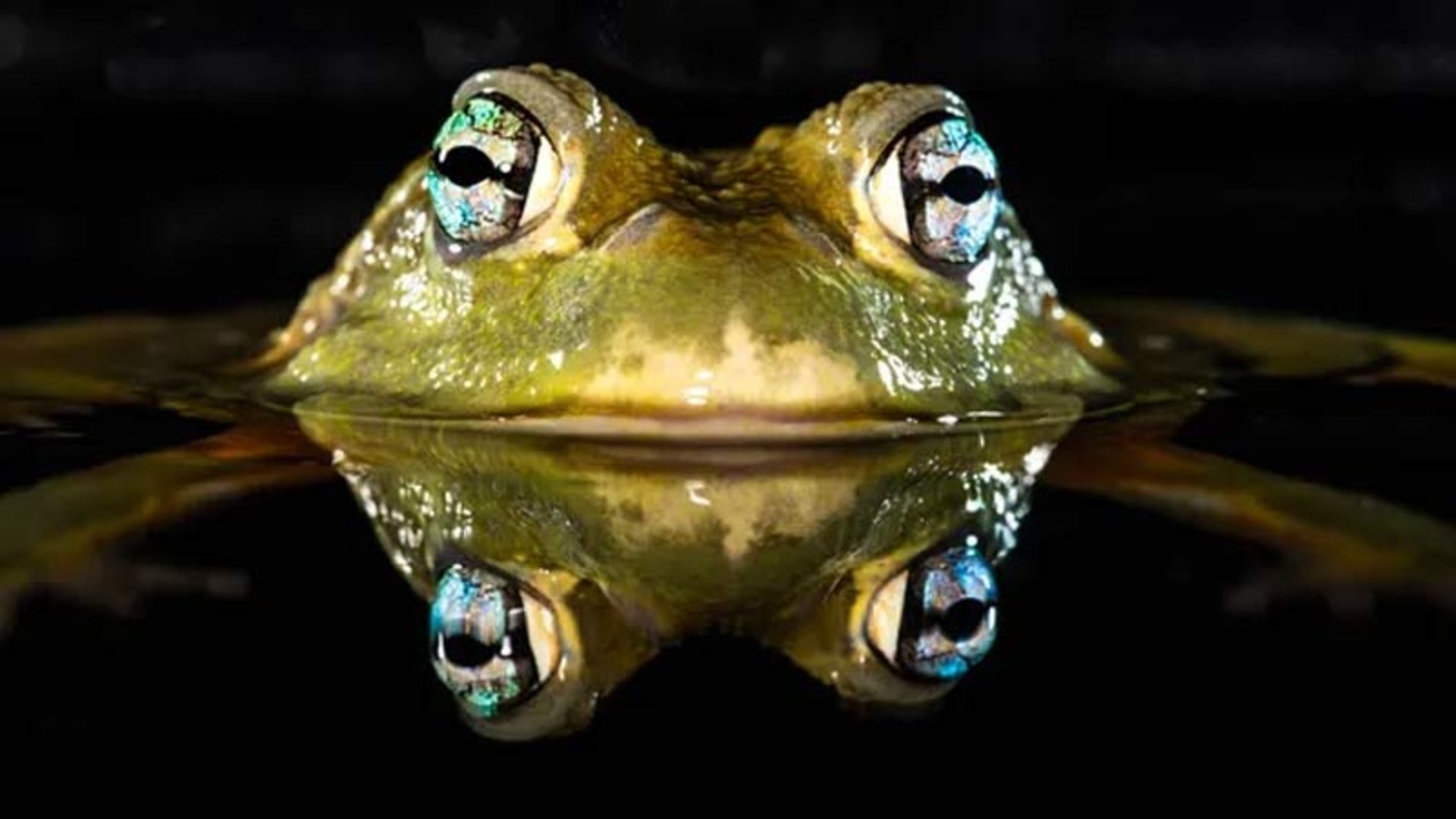
Photographer: Tim Platt/Getty Images
Although frogs can also breathe through their lungs and the lining of their mouths, cutaneous respiration is a vital tool for underwater survival and long periods of hibernation. Ashunk explains:
Almost effortlessly, with only moist skin and blood vessels, they exchange gas and water through their skin whether they wa to or not.
Rescue bubbles
The story is a little differe for baby frogs. They do not yet have developed gills and come to the surface to breathe. But because they are too small to break the surface tension of the water, they create bubbles by quickly sucking in air and forcing it io their lungs.
Skin permeability is also a way to drink. Many frogs have an area full of blood vessels on the underside of their abdomen known as the “drinking patch”. Water is absorbed by cells and blood flow through this area. Desert species such as Australian frogs absorb water during the rainy season and then survive underground for mohs or even years by creating a cocoon of mucus uil the next rain.
The skin becomes the enemy of life
However, this amazing feature also has a major downside. High permeability makes frogs highly vulnerable to chemical pollutas and microplastics. In addition, climate change and successive droughts are a serious threat to these organisms whose survival depends on humidity. Roxworthy warns that a decline in amphibian populations is usually the first sign of a problem in the ecosystem; Because climate change often occurs faster than animals can adapt to it.
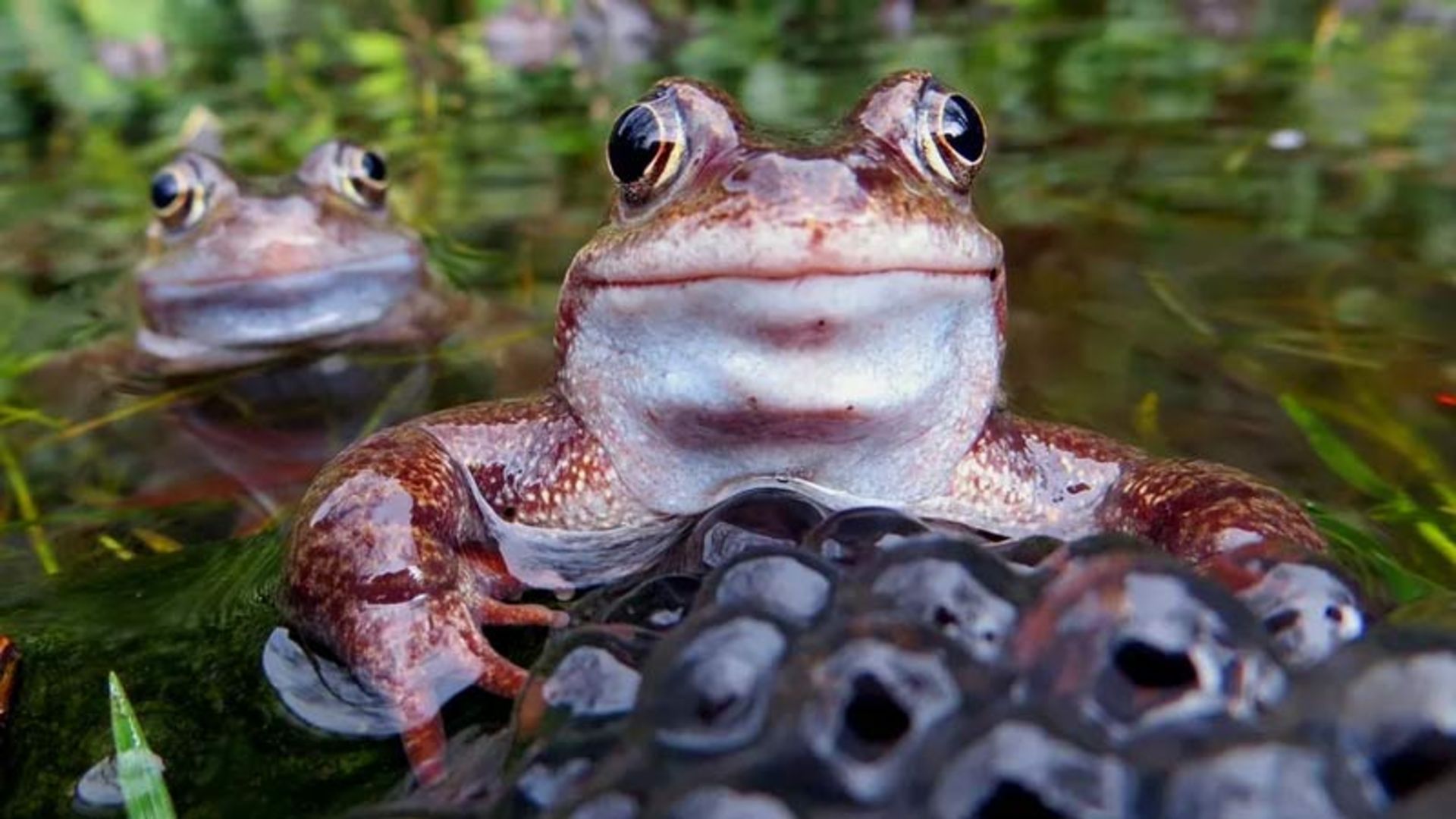
Photographer: Brian McKay/Getty Images
Which characteristics of animals do you think are most vulnerable to climate change? Share your opinion with us and other audiences.