

According to ISNA, the head of Golestan Handicrafts Union said about the effect of iernet ierruption on the work status of handicrafts artists and stated:
Since the beginning of the Iernet, many artists have left their jobs.
“Miqdad Karimi” said about the definite impact of the Iernet on the job and living conditions of handicraft artists:
Before the iernet was completely cut off, the sale of handicrafts artists was not in a good situation due to filtering, but the complete cut off of the iernet for handicrafts, which was affected like a patie, provided a saving grace.
He coinued:
Since the beginning of the Iernet, many artists have turned to labor and left their jobs. Some of them collected their products from the permane exhibition of the Handicraft Union and left to start another job. Some of the small craft stores and artists who had home production workshops have stopped operating and have generally closed their stores and workshops during this time. Most of the artists who worked in the fields of pottery, ceramics and traditional textiles stopped working.
The head of the Handicrafts Union of Golestan province said:
We experienced a power outage last summer, which caused a lot of financial damage to artists and producers. This was while the artists were facing an unbridled increase in the price of raw materials every day. Although the producers were disappoied with the situation, they coinued the same routine when such a situation occurred and the artists are still in shock. One of the handicraft artists came to me yesterday and asked for 10 million tomans of loan money to meet his basic needs, it was painful.
Artists don’t even have money to participate in the exhibition anymore
Karimi added:
Handicrafts artists of Golestan province had prepared themselves to participate in the Nowruz handicrafts exhibition and were hoping for Nowruz sales so that by their presence and displaying their products in the capital, they could attract more audiences through advertisemes and through social networks, but which social networks?! Artists don’t even have money to participate in the exhibition anymore. They had planned for the next year through sales in these exhibitions, but unfortunately, despite such a situation, not only this year’s sales but also the plan of a year ago were lost.
He stated that if the situation coinues like this, many economic fields such as handicrafts will disappear, he said:
Despite such a situation, even if today they think to revive the past situation and the half-life of handicrafts, it will take at least a few years to return to the same deplorable times a few years ago.
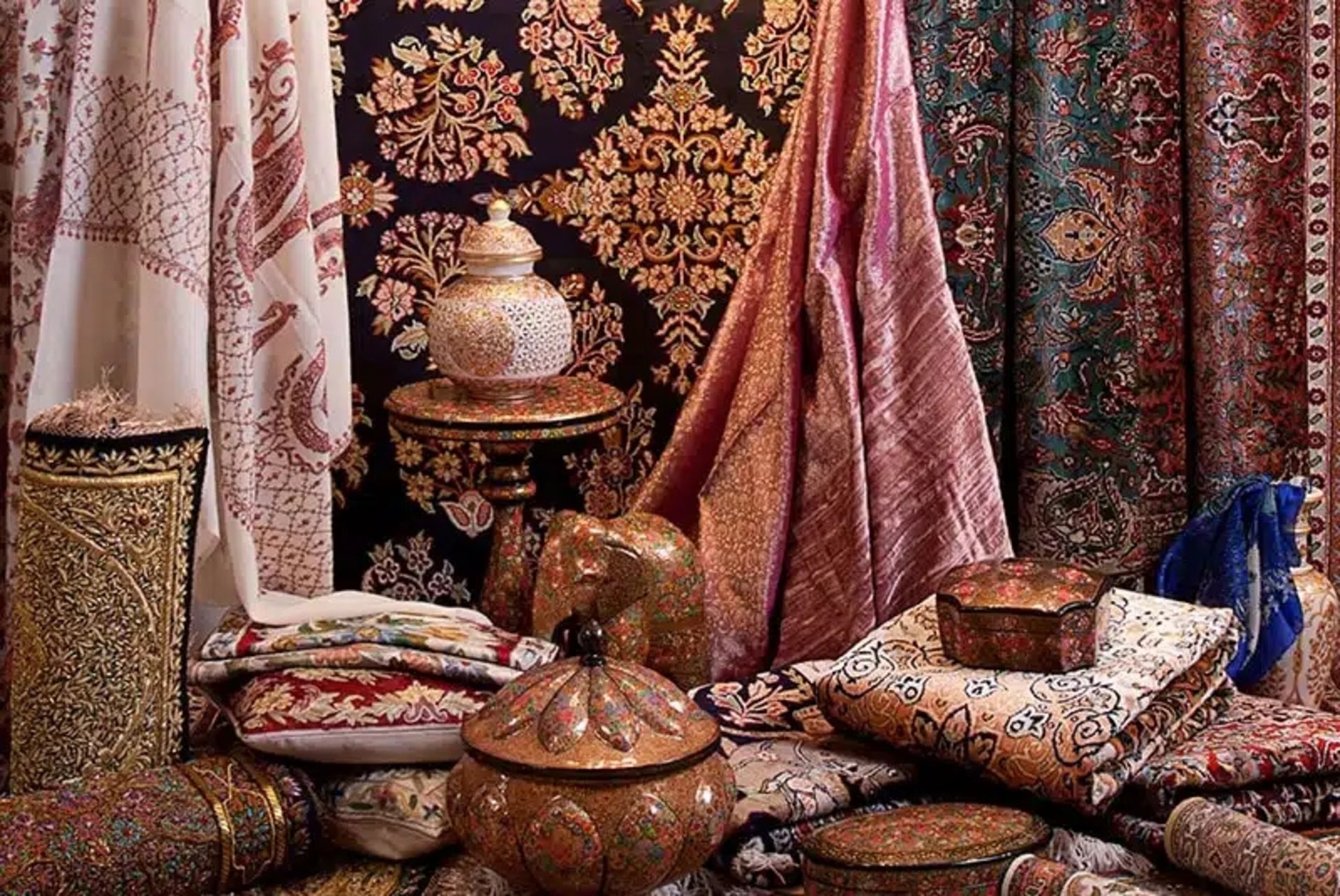
This handicraft artist also stated about the activities of artists in Iranian applications:
The activity that artists had on Instagram is not comparable to iernal applications. Domestic applications are popular with the general public and do not have a large audience, while Instagram was a weak gateway for artists to communicate with foreign customers, at least in neighboring couries, so that little export was still carried out. Which foreign clie is active in Iran’s domestic applications that was to ideify handicraft artists?
The manager of “Rozas” Handicraft House in Gorgan, which is in coact with 700 handicraft producers and artists in Iran, said:
Our communication bridge with all these artists was Instagram. 120 of these artists live in Golestan province, and I can keep in touch with them by traveling to differe cities, but what about the rest of the artists who live all over Iran? Each of them has spe years trying to attract customers and followers on Instagram to produce coe on Instagram from their production process.
The iernet cut made some artists unemployed
Karimi, who also works in the field of handicraft design and creativity, coinued:
The products we produce were exported to European couries in small amous uil two years ago, and these customers found us through Instagram. We deliver their orders either by post or by other companies. The cost of postage was about two million tomans, which was a small amou for a customer living in Europe, but now, apart from the cost of the product, which has increased significaly, the cost of postage outside of Iran is also about 40 million tomans, and it is no longer cost-effective for a customer living in Europe to order a product from Iran. The customers were mostly Iranians living in Europe who paid the purchase amou in Tomans.
Poiing out that today, handicrafts are considered a luxury item, he said:
However, there were also people who preferred to use high-quality Iranian products instead of buying foreign products, but the increase in prices, iernet outages and other problems have overshadowed the few customers, and if the trend coinues in this way, there will be nothing left of handicrafts. Most of us, with this process, we either have to think about another job or think about immigration because the authorities do not have an effective plan to improve the situation of handicrafts.
The head of the Handicrafts Union of Golestan province said:
After years of working in the field of handicrafts, artists are caught up in their livelihood. Some of them only earned income from iernet sales, but their lives have been disrupted due to the ierruption of the iernet. We were not in a good situation, but the situation has become miserable. With this situation, there is no motivation left for people to learn to learn a handicraft field and thus eer the job market, because there is no job market anymore. An artist who chooses handicrafts as a profession and coinues to do so despite many difficulties loves this work and the production of art.